Hankyu Nishinomiy Gardens, 14-2 Takamatsu-cho, Nishinomiya-shi, Hyogo JAPAN
兵庫県西宮市 高松町14−2 阪急西宮ガーデンズ
OPEN: 11:00am-11:00pm
Hankyu Nishinomiy Gardens, 14-2 Takamatsu-cho, Nishinomiya-shi, Hyogo JAPAN
兵庫県西宮市 高松町14−2 阪急西宮ガーデンズ
OPEN: 11:00am-11:00pm
I’d actually never heard of alpacas until the Japanese fiber company Kuraray made a series of commercials featuring a fluffy white alpaca. I wasn’t too sure what this commercial was actually promoting (…and still don’t really) but it made a pretty big impression in Japan and alpacas became well known around 2009.
Obviously it’s been a while since then but when my friend mentioned that there was an alpaca farm in Nasu, I had to go and see what these alpacas were all about! And lucky for us, we bumped into a Peruvian alpaca expert while we were there, who was kind enough to show us around and answer all our questions.
He explained that at this farm the alpacas get a haircut every two years. We were there a week ahead of their shearing season so they were at their peak fluffiness! We also learned that alpacas are native to the Andes region. When I asked about the alpacas in the wild, he surprised me by mentioning that currently all the alpacas are domesticated and have been that way for a while now. Who knew?
I’m so glad we bumped into our “guide” because we had an amazing time learning about alpacas. He introduced us to the famous alpaca from the Kuraray commercials with the same amount of enthusiasm as when he introduced us to a blind alpaca. He said that sometimes they are born blind and/or deaf but receive the same amount of care and friendship from both the staff and the other alpacas. And I believe him because the minute he started talking, the blind alpaca perked up its ear and moseyed on over to be pet by him. It completely warmed my heart.
Have you ever spent time with alpacas? They are the sweetest animals ever. If you’re ever in Nasu, you may enjoy an afternoon with an alpaca or two! x
Here are some photos:
I’ve gotten quite a few inquiries regarding how to get to the Alpaca Farm so I thought I’d add a little bit more information on that here.
So the bad news is, there is no public transportation from the nearest station to the Alpaca Farm on a daily basis.
The closest train station is Shin-Shirakawa Station on the JR Line. Both the Tohoku Shinkansen and local trains stop here and the station is approximately 15km away from the Alpaca Farm. Your choice is to rent a car (6,000-12,000yen for 12 hours, depending on the car) or to take a taxi (approximately 8,000yen one way).
Obviously this is quite a hassle for many, not to mention expensive. For those who do not have a drivers license or deep pockets to hire a taxi (like me!), you have two other choices.
1. TAKE THE BUS
I previously mentioned that there is no public transportation to the Alpaca Farm. But there IS a bus that operates for a limited time during certain times of the year, which is what we used as transportation in my post above. The bus operation varies from year to year, but I believe they operate both in the spring and fall. We were luckily traveling during the spring period and this bus is what we took to get to the Alpaca Farm.
Tsutsuji-go: The bus that operates during the spring season is called Tsutsuji-go (i.e. Azalea bus), probably because it coincides with the azalea season in the Nasu highlands. From the past couple of years, it seems that Tsutsuji-go operates from end of April/early May to mid to late June, depending on the year.
Momiji-go: The other bus that operates in the fall is called Momiji-go (i.e. Japanese Maple bus), again probably because it coincides with the fall foliage season when trees change color. This period seems to vary by year but basically Momiji-go runs from mid to late September to late October/early November.
The operating season for both of these buses seem to be announced within a month prior so it can be nerve-wrecking for people who want to plan ahead. But if you are lucky to be traveling during that season, you can get on the bus at Nasu Yumoto (in front of the Nasu-cho Kanko Kyokai-mae, i.e. Nasu Tourism Assosication) and they will drop you off at Nasu Alpaca Farm.
You may have already noticed that Nasu Yumoto is quite far from the nearest train station. So what we did is, took the local bus (Toya Transportation Bus) from Nasu Shiobara JR Station (you can also get on at the neighboring Kuro-iso JR Station) to Nasu Yumoto (approx. 50-60min), then changed onto the Tsutsuji-go bus all the way to the Alpaca Farm (approx. 30min).
Both the Tsutsuji-go and Momiji-go operate three round trips, meaning 3 buses to go and 3 buses to get back, so make sure you check the time schedule so you don’t miss the last bus. When we went, we took the 11:40am bus and got there a little past noon. Then we took the 3pm bus back to Nasu Yumoto and got there around 3:30pm.
For your reference, here is when the bus was operating from previous years:
2017 Spring: Apr 29 – Jun 4 / Fall: TBD
2016 Spring: Apr 29 – Jun 5 / Fall: Sep 17 – Oct 23
2015 Spring: May 2 – Jun 14 / Fall: Sep 19 – Oct 25
2014 Spring: Apr 26 – Jun 29 / Fall: Oct 11 – Nov 3
*For up-to-date details on Tsutsuji-go/Momiji-go bus schedules, please contact Nasu Tourism Association at +81 (0)287 76 2619.
2. TAKE A BUS TOUR FROM TOKYO
There are bus tours from Tokyo that will take you to and from the Alpaca Farm. You can book through travel agencies such as H.I.S. or Hato Bus, and you won’t have to worry about any of the transportation logistics in between. The price is also quite reasonable, somewhere in the range of 7,000 to 9,000yen.
Of course, there is always a down-side to tours, such as not being able to spend as much time as you would like at the Alpaca Farm, due to the tour schedule, which will most likely include other stops along the way. But on the other hand, you’ll get to see other places in the Nasu area, which are likely difficult to access without a car, so depending on the itinerary it could end up being a win-win situation.
For your reference, here are some bus tours:
H.I.S. Tour: Alpaca Farm – Nasu Beer Garden – Strawberry Picking from Shinjuku
Hato Bus Tour: Strawberry Picking – Nasu Beer Garden – Alpaca Farm from Ikebukuro
*These tours are as of April 2017 and may not be current.
I hope this helps! x
Because Kagoshima is located in the heart of the Western Japan volcanic belt, it has an abundance of onsen. So much so that even the local sento (銭湯 public baths), which is usually regular water in Japan, uses onsen in Kagoshima. My friend’s husband, who grew up in Kagoshima, apparently thought that all the sentos in Japan used onsen until he came to Tokyo for college and learned different.
After stopping by the garden cafe, we went to Sakura Sakura Onsen (さくらさくら温泉). Their onsen is a mild-acid sulfur spring and is said to be effective for treatment of neuralgia, stiff shoulders, exhaustion, rheumatism, sprain, and external wounds. So…pretty much everything!
But what they are really famous for is their mud pack. First off, I should probably warn you that the smell is foul. So so foul. It’s a mixture of rotten eggs and mold…but you know what I mean if you’ve ever gotten a whiff of sulfur. Although smelling it from afar and having the sulfur drenched mud on your whole body is a different thing all together. But no worries! Once we started lathering the mud on our bodies, the smell was so bad that my nose just stopped smelling anything at all. Problem solved.
The next step is to let the mud on your face and body dry. (Side note: it takes a while to dry if you spread the mud on too thick so it’s better to keep it on the thin side.) There were a few other people besides my friend in the roten-buro (露天風呂 outdoor bath) area, standing around waiting for the mud to dry, and we were all laughing at each other over how silly we looked. And of course every other word out of our mouths were “Kusai! (smelly!),” because it really was.
Once the mud dries, all you have to do is wash it off with the onsen shower and voila! You may still stink of sulfur but your skin will be shiny and smooth like a newborn baby! Of course, you don’t have to do this mud pack at all. It’s not mandatory and you can just enjoy the onsen and roten-buro outside. But it’s fun and silly so I would definitely recommend the experience, if you don’t mind being a little stinky for a few days after.
鹿児島県霧島市霧島田口1576-4
TEL: 0995-57-3721
HOURS: 10:00am-4:00pm (open Saturdays & Sundays)
CAKE & DRINK SET: 500 yen
Taking a break from all my Yakushima and Kagoshima photos, I’d like to share this hilariously wonderful suitcase cover that I’ve just discovered.
The Traveling Sushi Bag Cover is made of sturdy polyester, protecting and at the same time turning your suitcase into a sushi. There are four different types of covers; Tamago (egg), Maguro (tuna), Salmon, and Ebi (shrimp). With any of these covers, you will not only be able to spot your suitcase from a mile away but you’ll also have the power to instantly transform the baggage claim into a kaiten-zushi (conveyer belt sushi)!
I’d probably get with the tamago cover…what about you? 😀
CHIKYU-BATAKE CAFE (地球畑カフェ 草原をわたる船)
3-17-1 Shimo-arata
Kagoshima-shi, Kagoshima JAPAN
鹿児島県鹿児島市下荒田3丁目17番1号
TEL: 099-201-7000
HOURS: 11:00am-10:00pm (closed Tuesdays)
HOTEL SHIROYAMA
41-1 Shinshoin-cho
Kagoshima-shi, Kagoshima JAPAN
鹿児島県鹿児島市新照院町41番1号
TEL: 099-224-2211
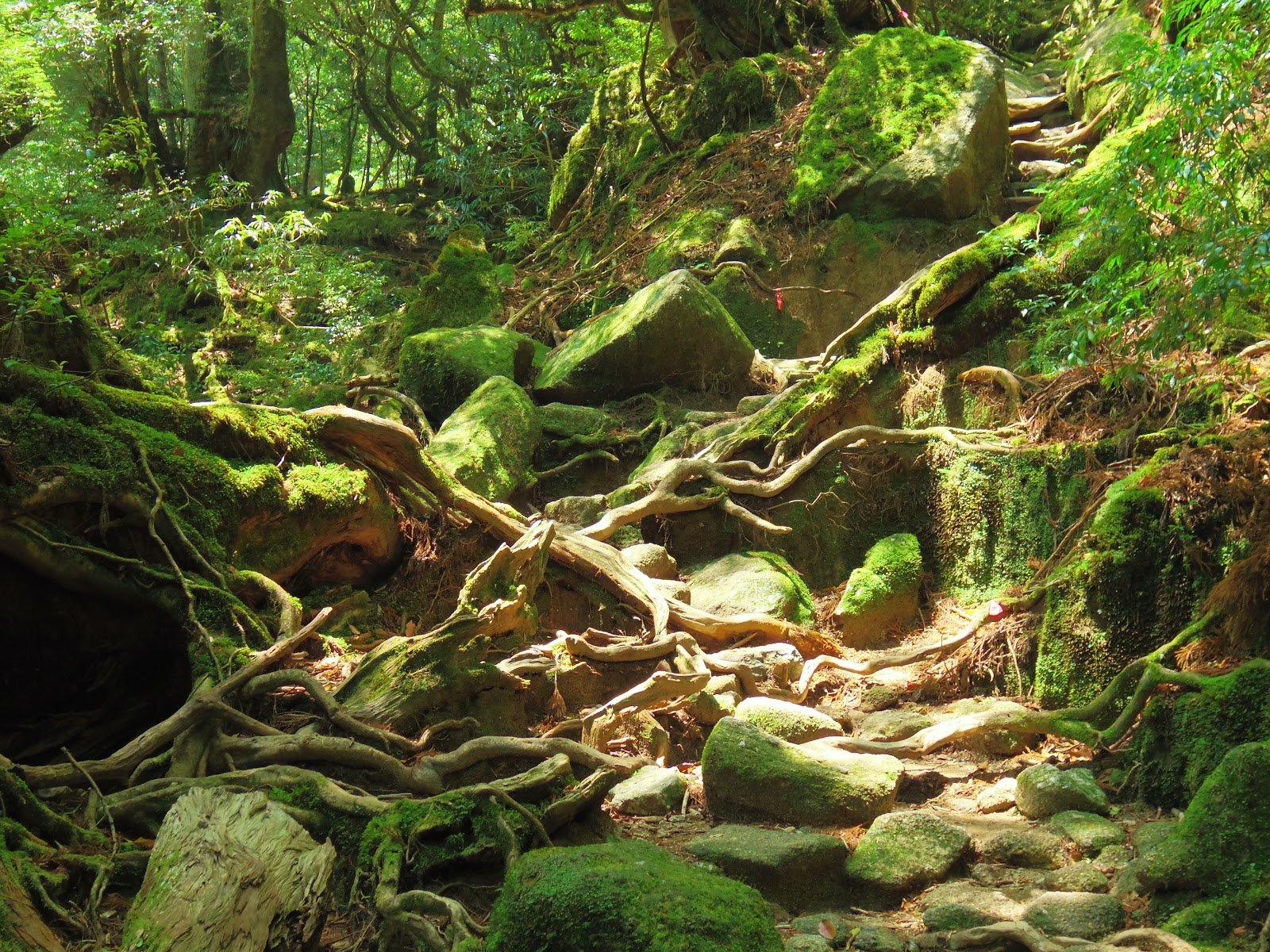
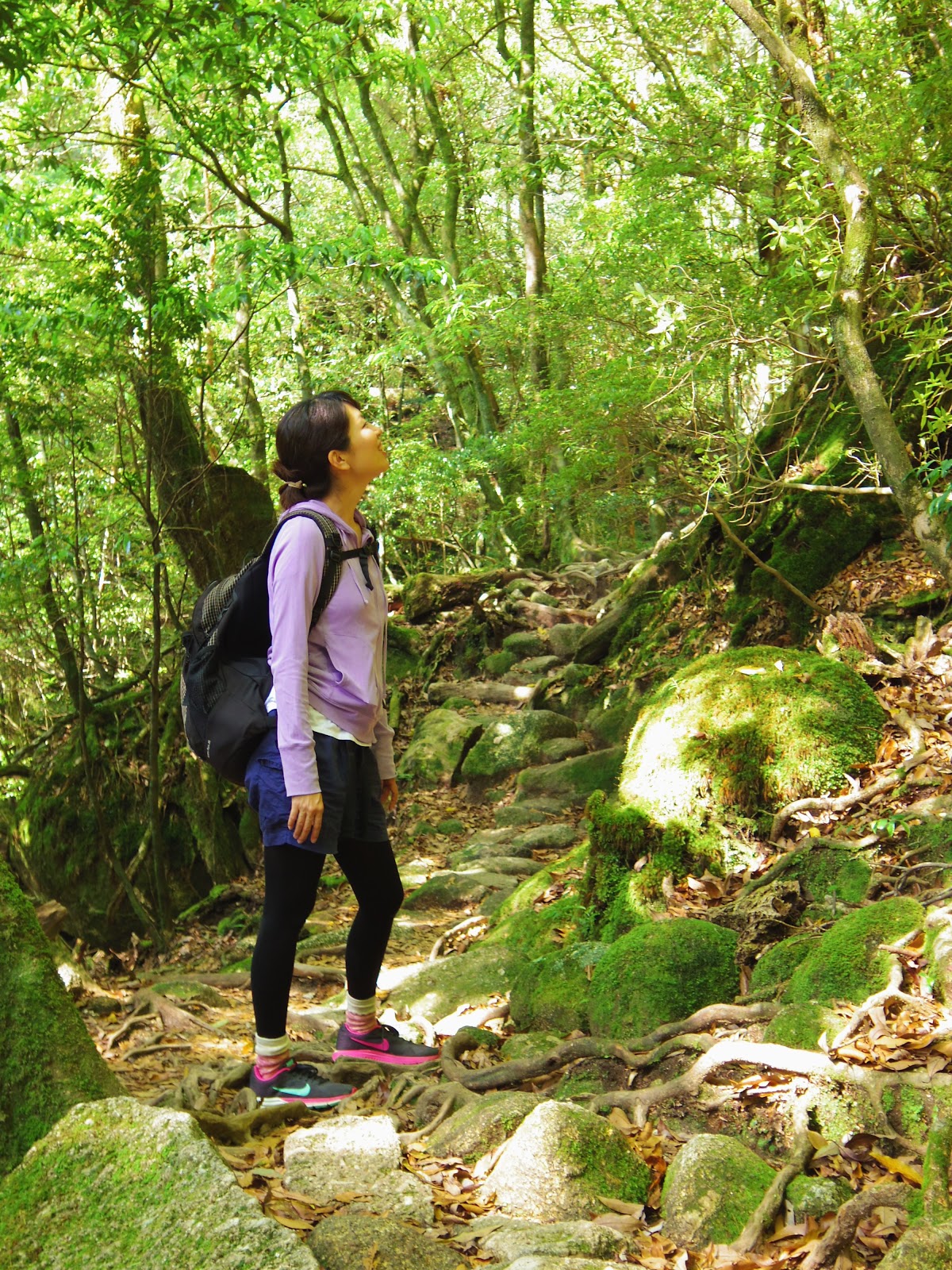
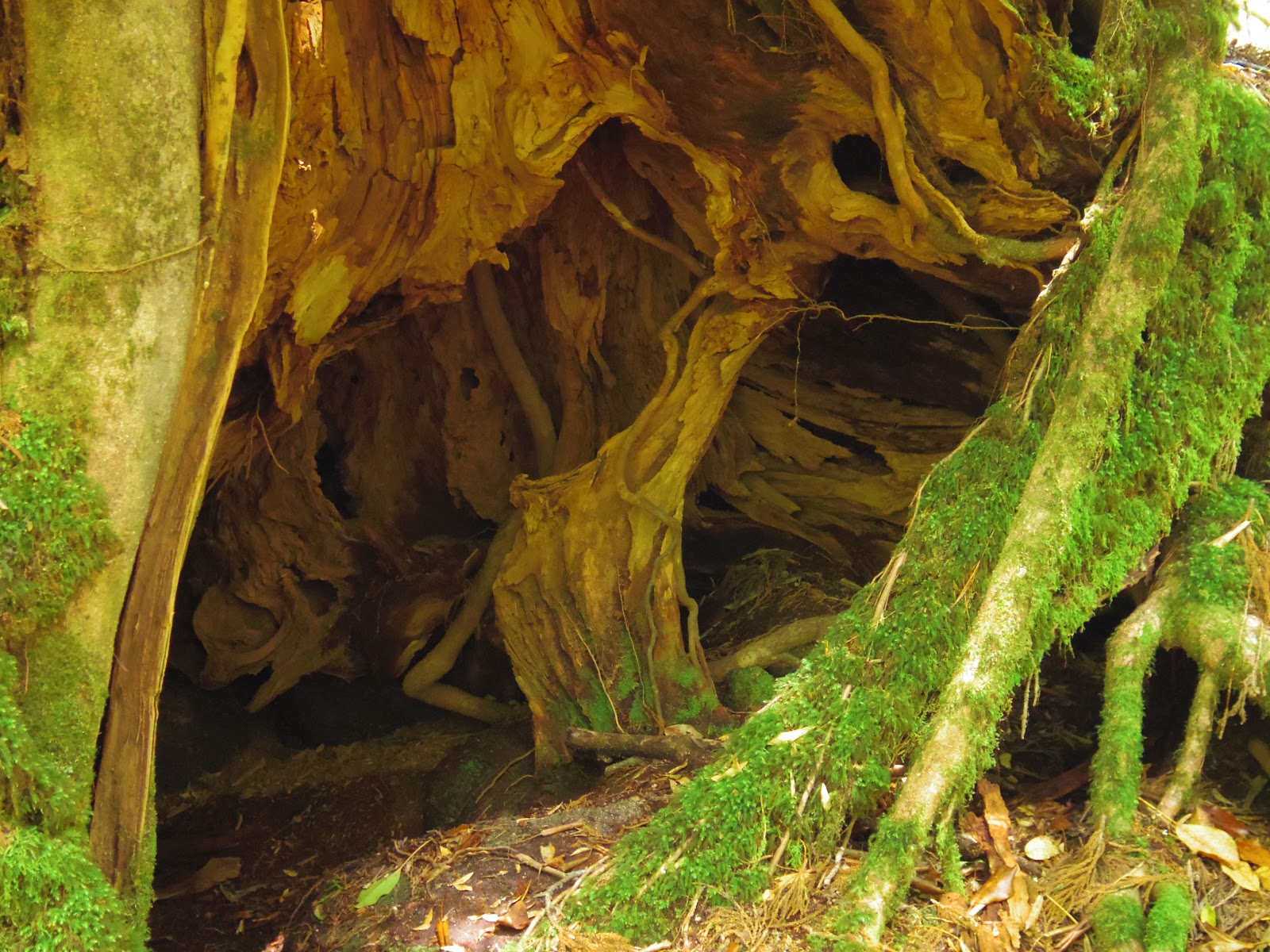
Our trek through Shiratani Unsuikyo (白谷雲水峡) in Yakushima was magical.
There is really no way I can explain to you how amazing this forest is. This was the highlight of our trip and as the sun was out and the birds were singing, S and I couldn’t have asked for a better day to hike there. After our breakfast by the river, we drove up to the entrance of Shiratani Unsuikyo. The drive up the mountain was long and winding (about 30 min.) but it gave us a fantastic view of the mountain range.
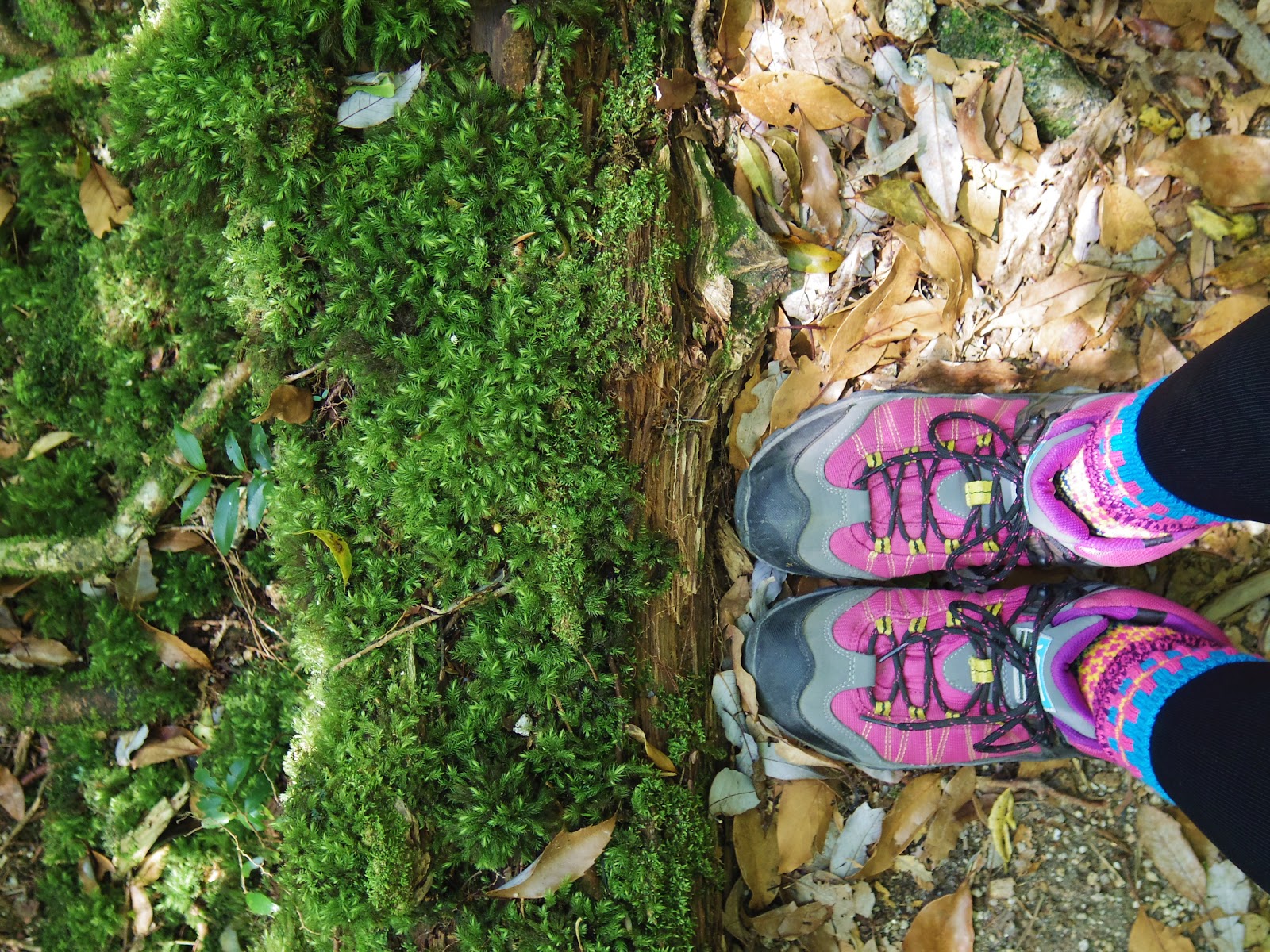
Once there, we got our gear together. Very amateur gear, I can tell you. This was only the second time I’d worn my hiking shoes (they made their debut on Mt. Fuji). But we were beyond excited and soon we set off into the forest!
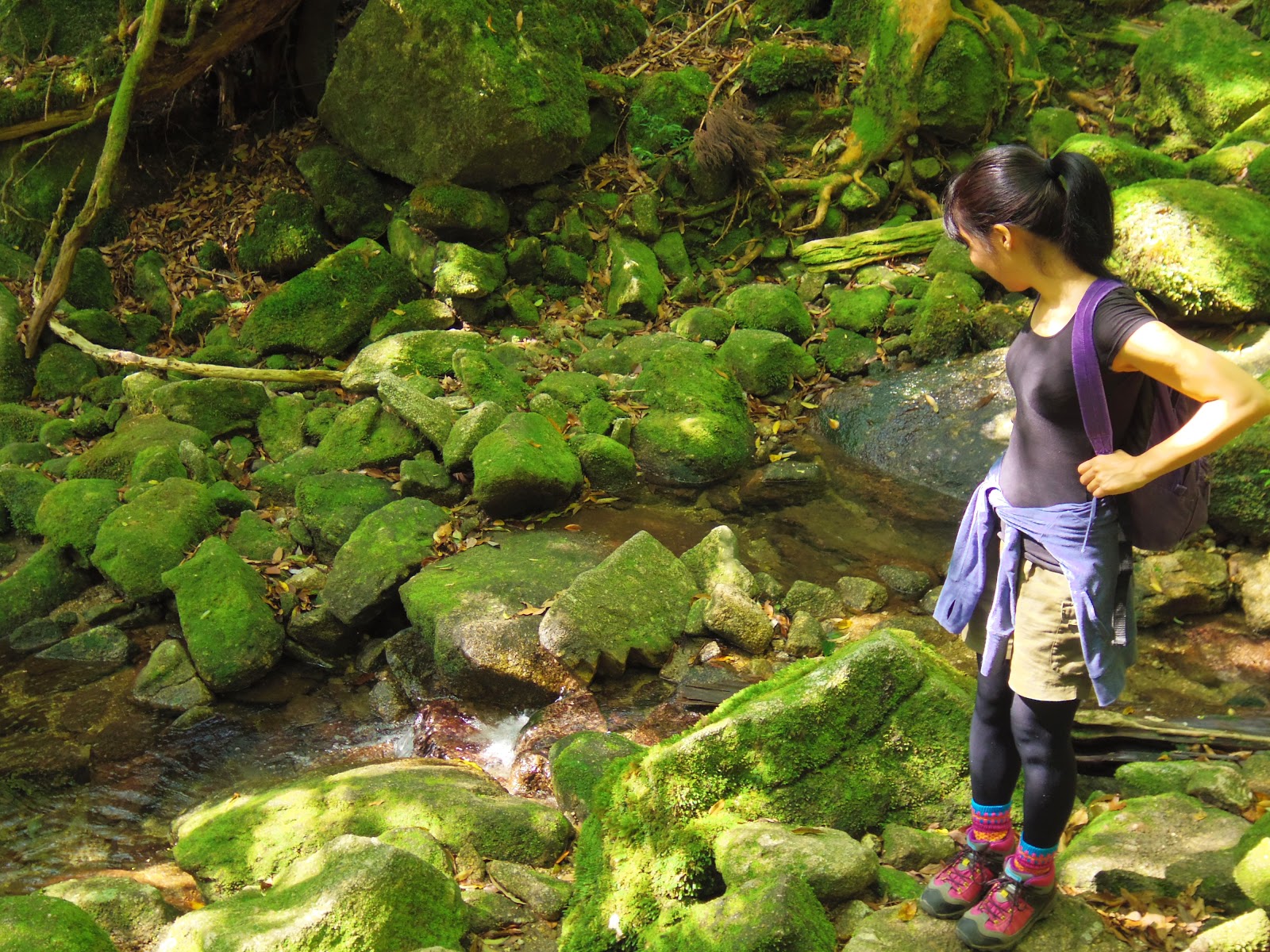
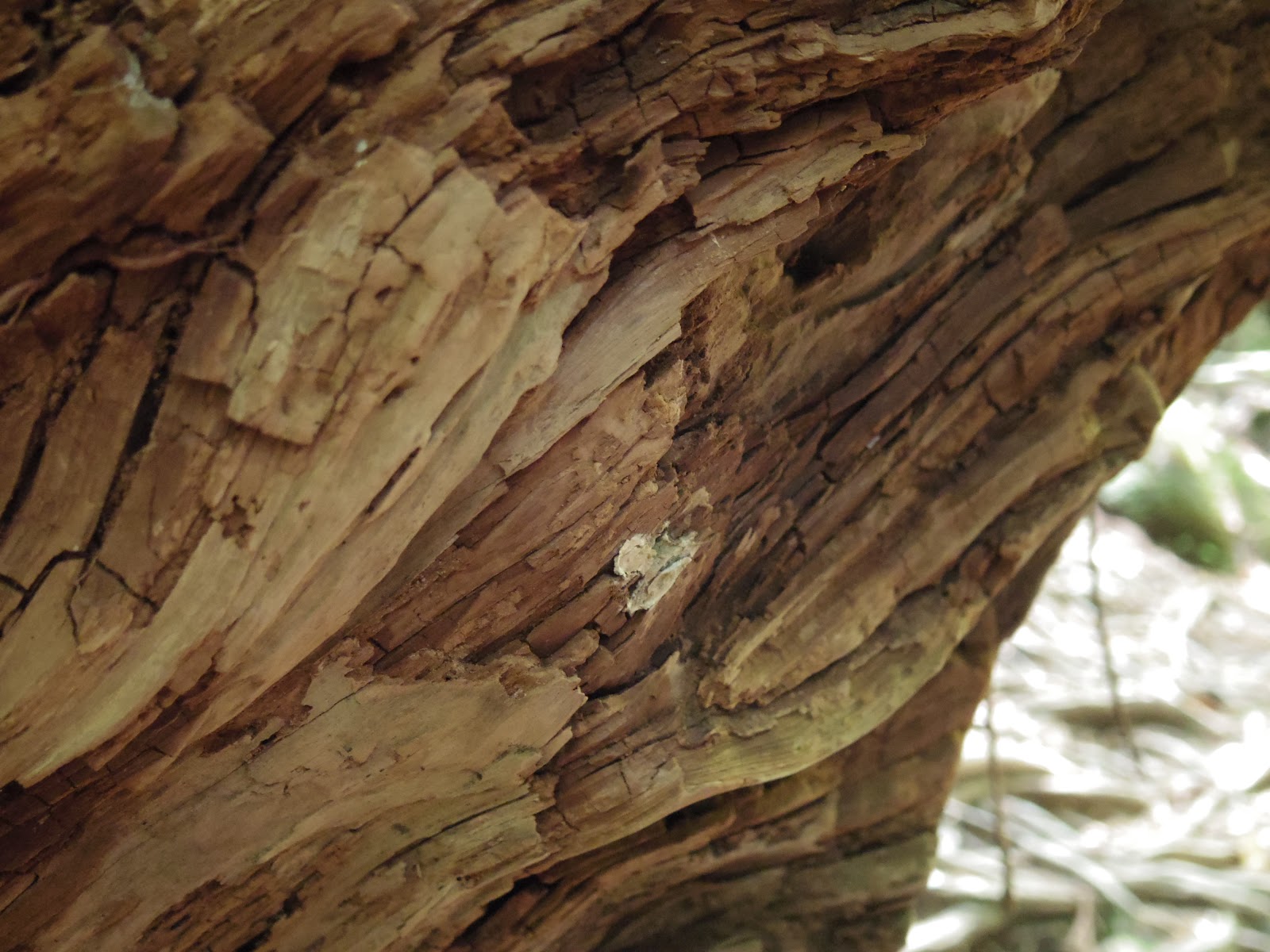
Shiratani Unsuikyo, designated as a forest for recreational use in 1972, is a stunning mixture of lush plants, unique rocks, and woodland creatures. The forest is approximately 424 hectares (over 1,000 acres) of hikers paradise, located along the Shiratani Ravine at 600 to 1,000 meters (approx. 2,000-3,000 feet) above sea level. We saw so many types of subtropical evergreen plants, including Yakusugi (屋久杉), the ancient Japanese cedars that are over 1,000 years old. We skipped from rock to rock, crossing over the ravine several times. We also bumped into deer and monkeys that live in the forest. They were gracious hosts in letting us walk through their territory without a worry in the world (I’m looking at you, monkeys in Nikko).
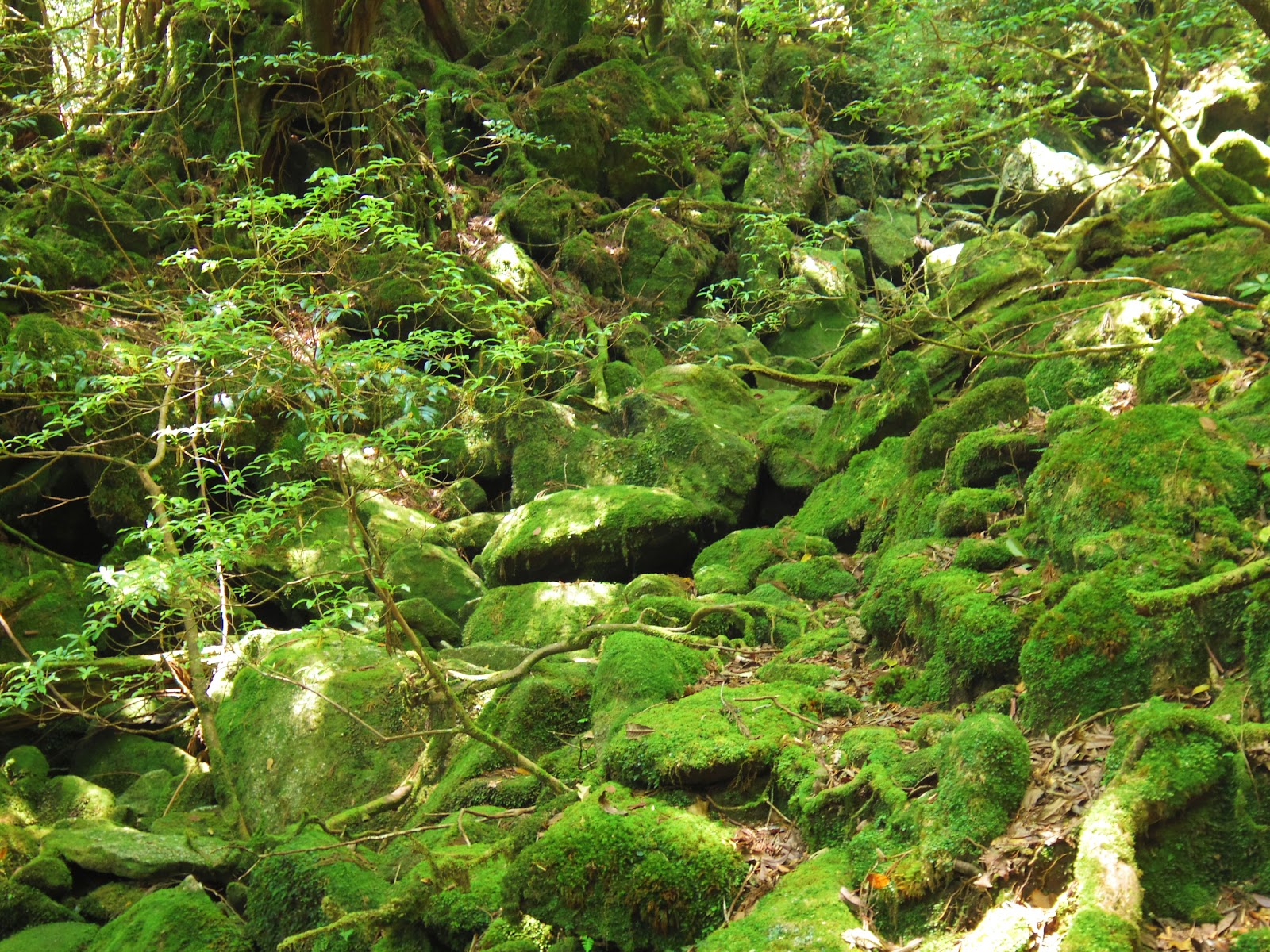
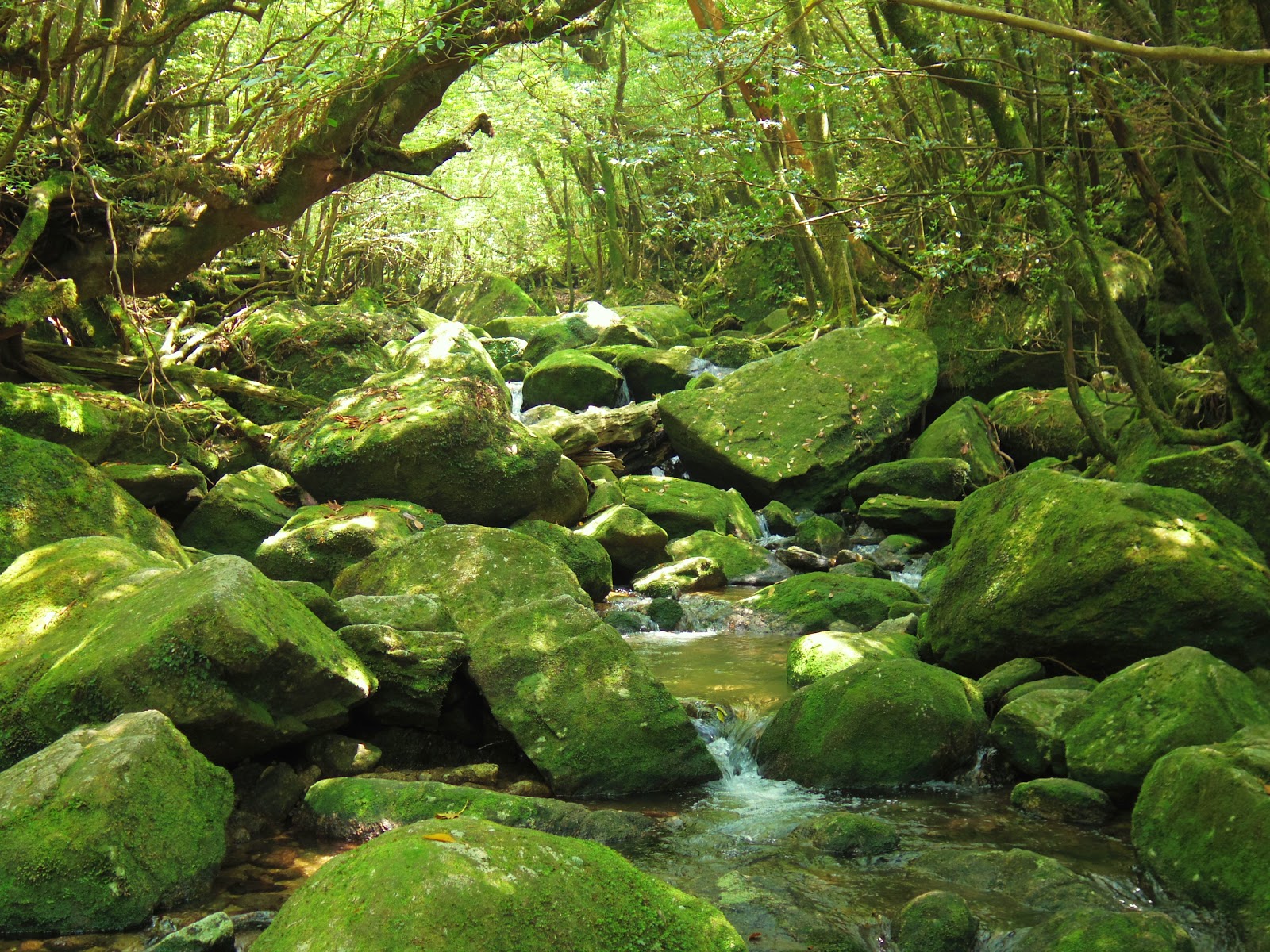
Did I also mention that this forest is covered in moss? Lots and lots of moss! Of the approximately 1,600 species of moss of found in Japan, a whopping 600 of them can be found right here. Isn’t that amazing?
We ended up hiking through all the trails around Shiratani Unsuikyo for about five hours. I loved how some parts of the trail had stone or wood paths laid out, whereas other parts you just had to maneuver through the forest on your own, following the pink ribbon that you see tied to branches here and there (we may or may not have taken a wrong turn a couple times). Although there were many people hiking the same area, we were surprisingly alone for most of it. It’s really the most fabulous feeling being surrounded by so much nature.
S and I started off the hike stopping every other second to gasp over a certain view or to take a picture, or sometimes doing both simultaneously. But we soon discovered that we were not skilled enough camera-people to capture the entire beauty of this lush green forest and decided that we would just take it all in with our senses.
——————————————————————————————————————
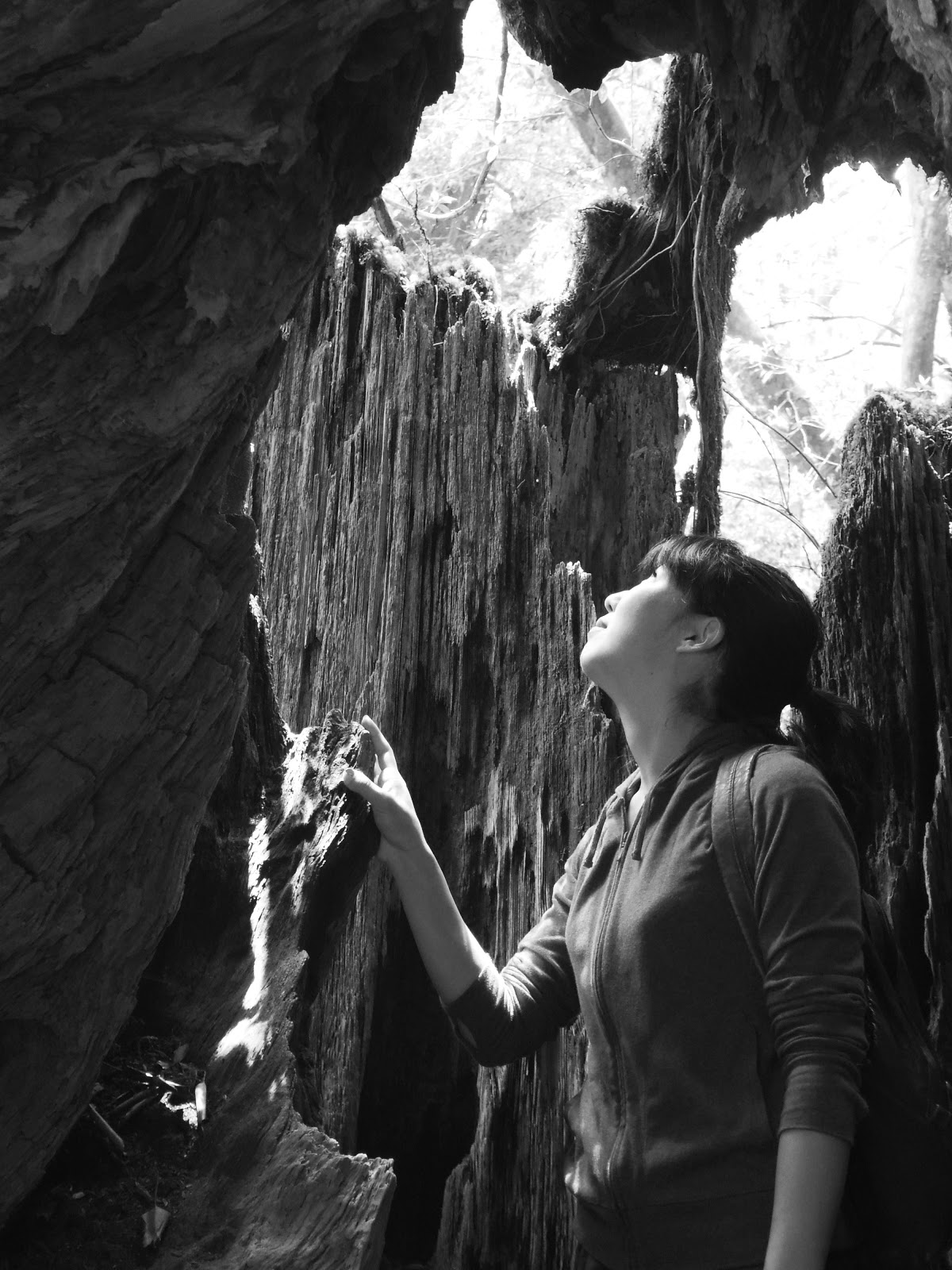
Sight…lean back to admire the old towering Yakusugi tree.
Smell…breathe in the pristine air, oh so fresh.
Sound…echo of water trickling down the ravine.
Taste…the excitement around every corner of the trail.
Touch…brush our hands over the soft damp moss.
——————————————————————————————————————
Okay, I cheated a little on the ‘taste’…it’s not really a flavor, but it was no less true! Despite enjoying parts of the forest without our cameras, I still ended up with over 60 photos when I first narrowed them down. Every part of this forest was a postcard waiting to happen and it was almost humanly impossible to stop taking pictures. You’ll know exactly what I’m talking about once you step foot in Shiratani Unsuikyo yourself.
But until you do, here are some photos: