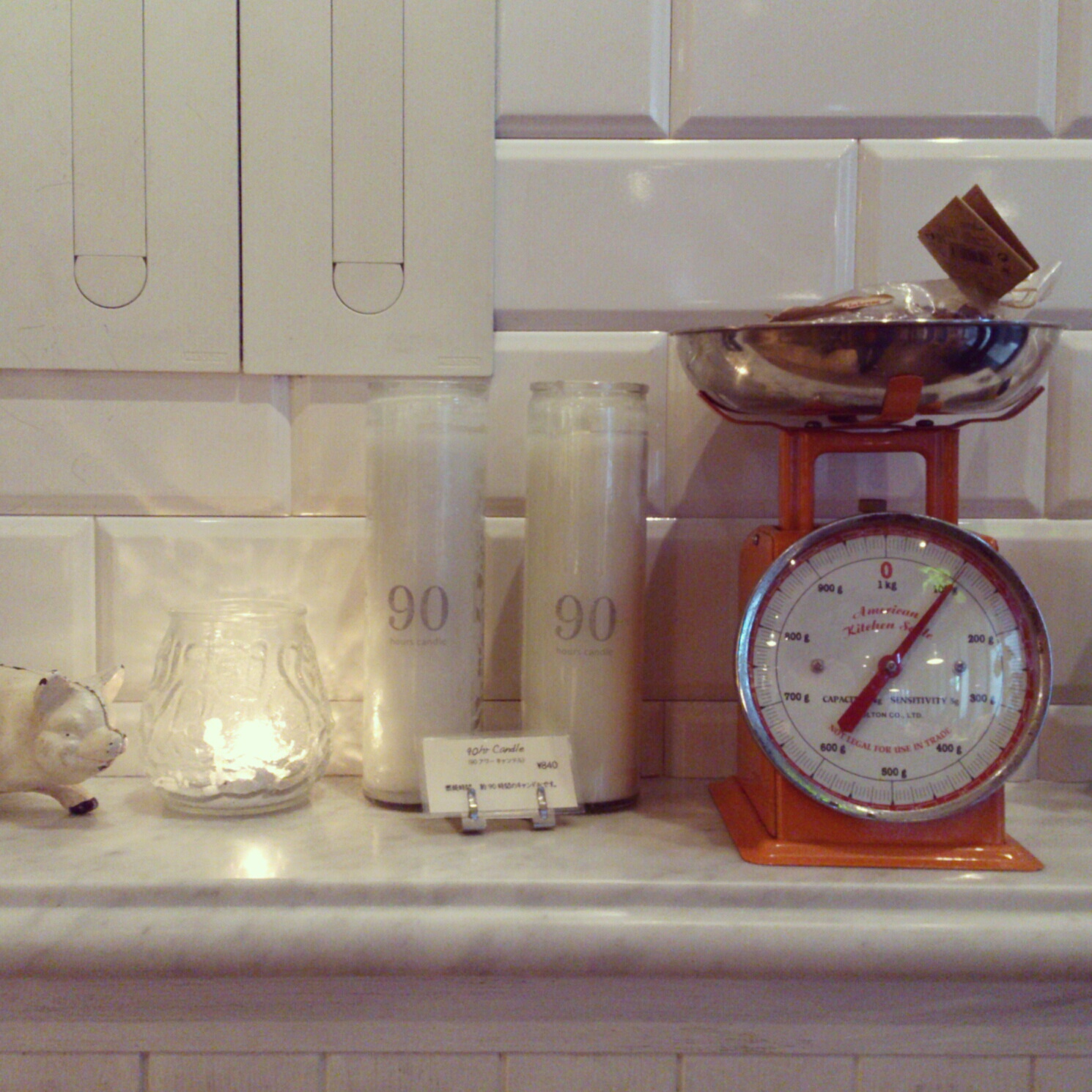
The Aoyama Flower Market Tea House

Aoyama Flower MarketΒ is a popular flower shop
with over 80 shops around Greater Tokyo.
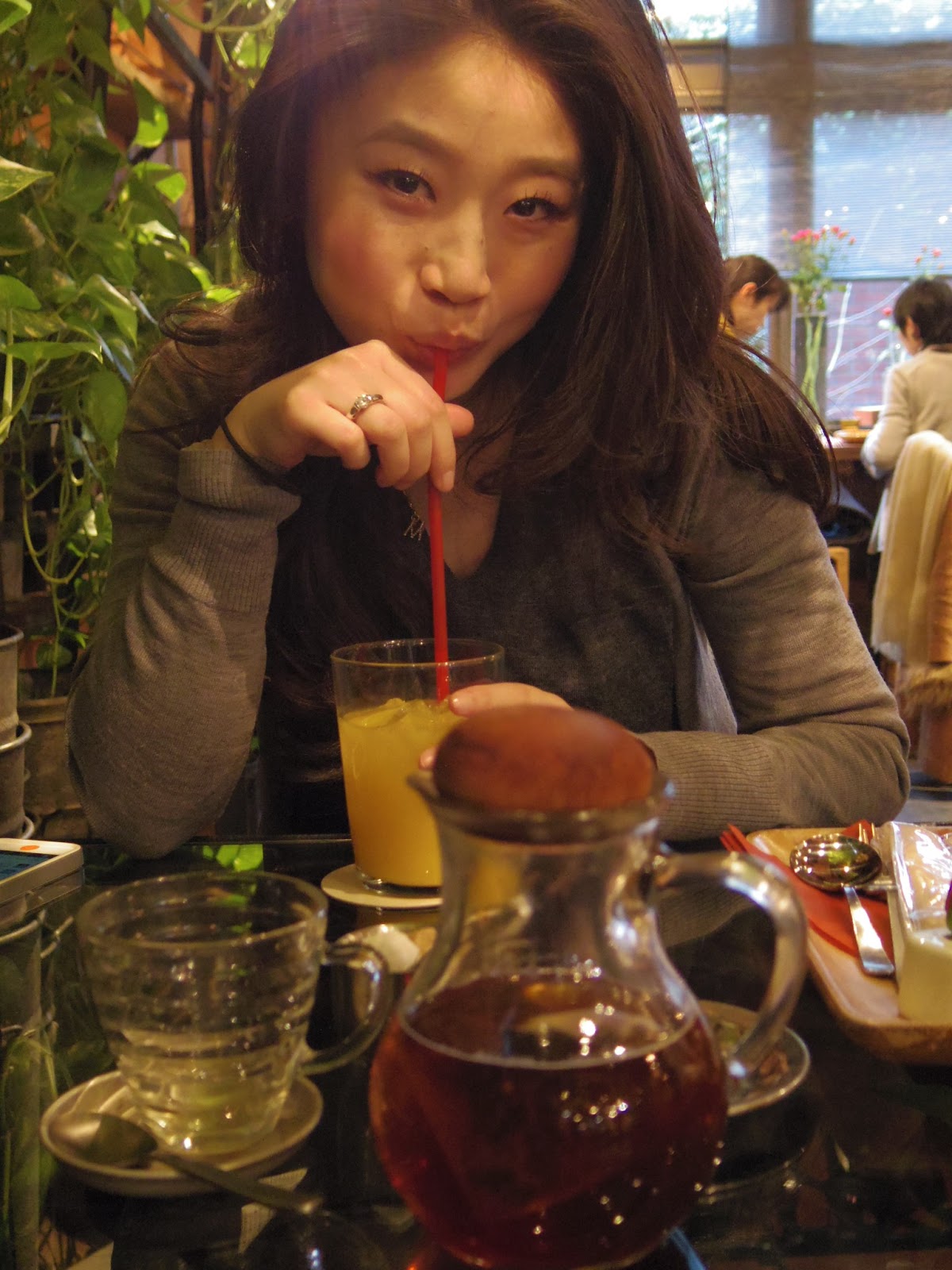
Last year they opened Aoyama Flower Market Tea House
behind their flower shop in Omotesando.
It’s really something.
Remember that movie The Secret Garden?
That garden they find inside the walls with all those vines?
It’s kind of like that.
Take a look.

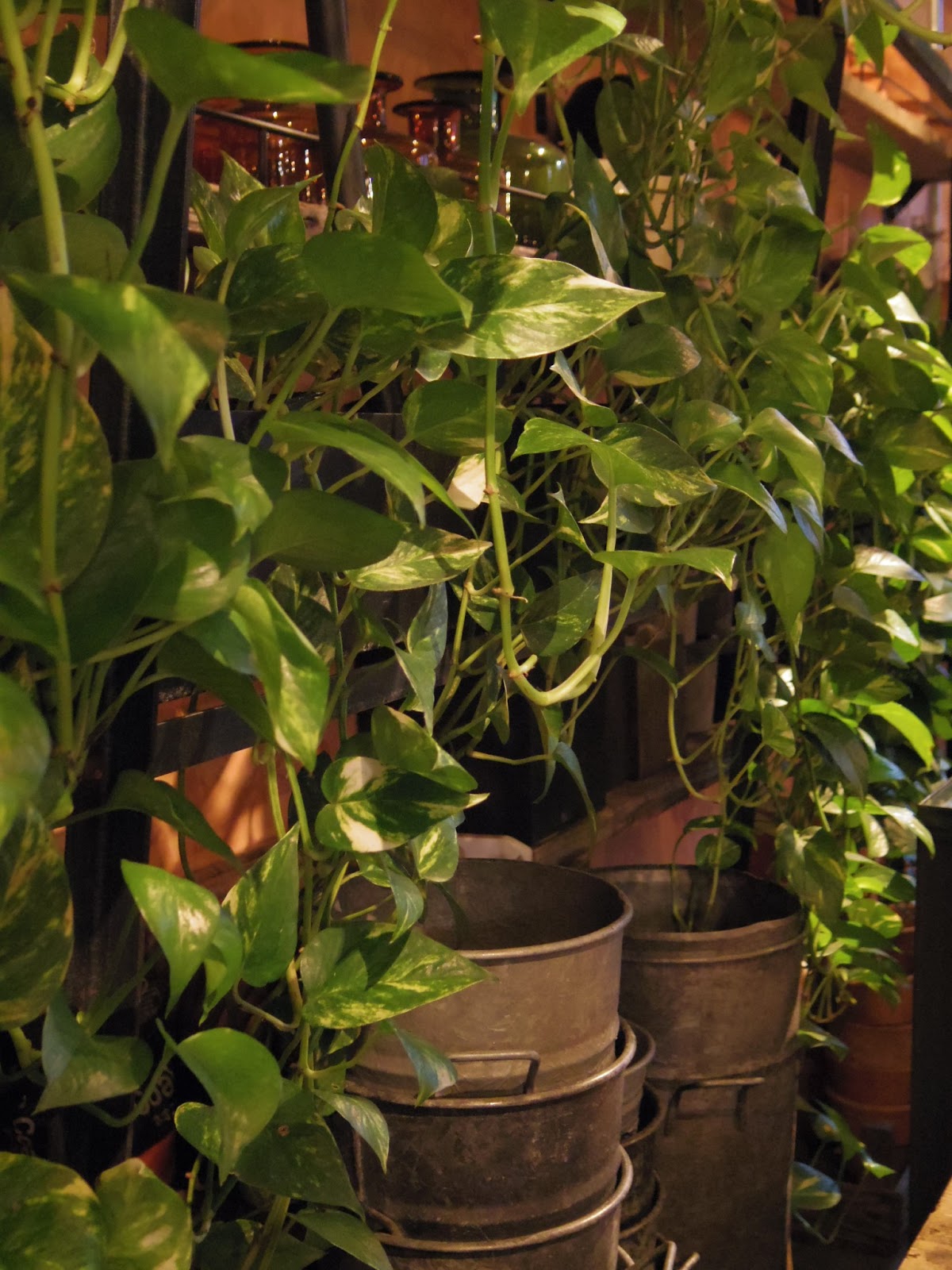
We decided to have lunch there.
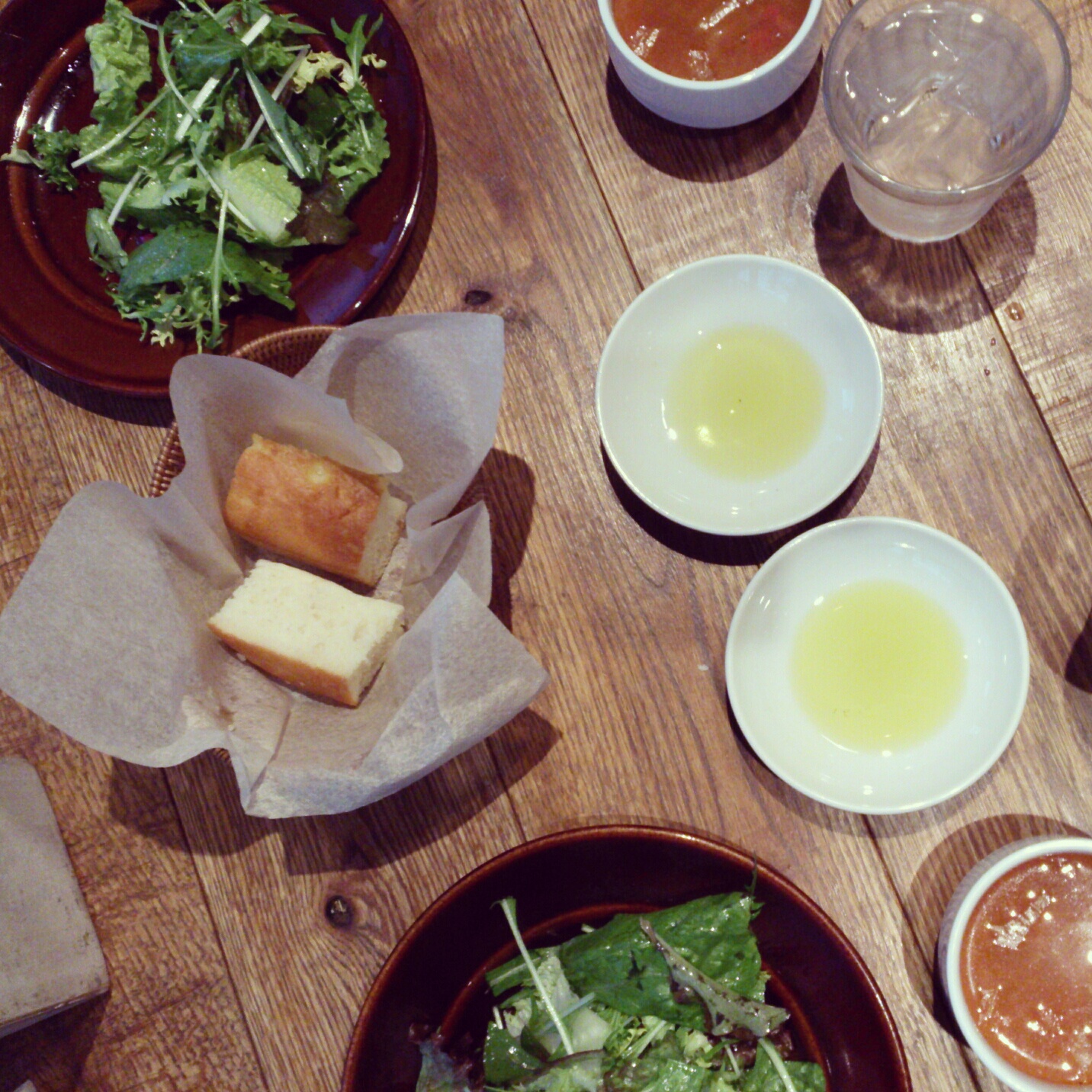
Masa got the beef stew lunch set
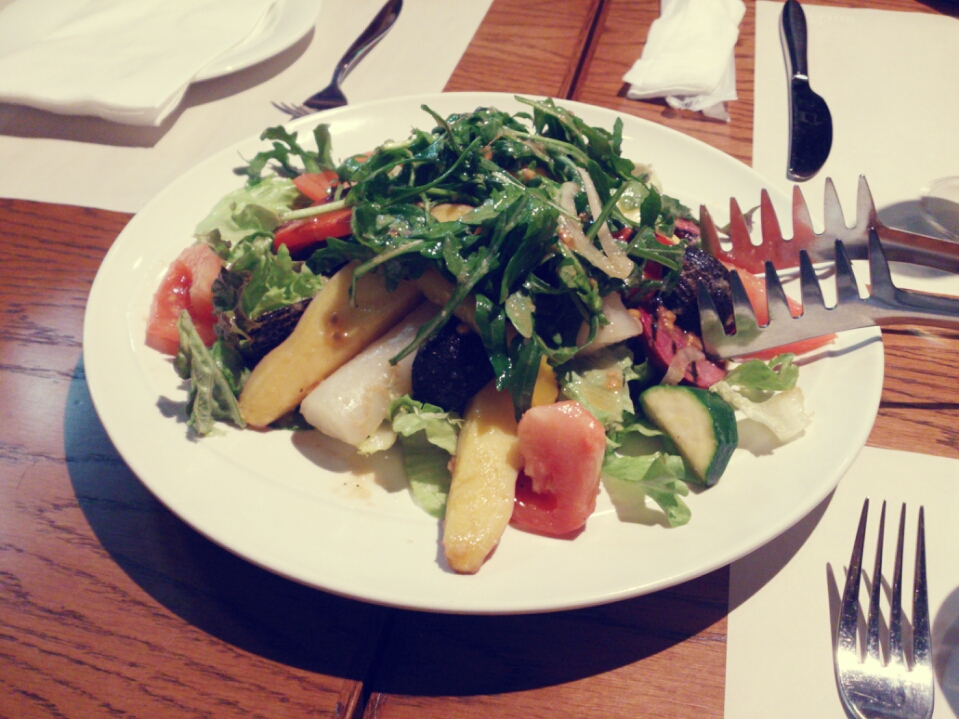
and I got the salad lunch set.

My salad was mostly all veggie
(just a little bacon!) so a perfect dish for vegetarians.
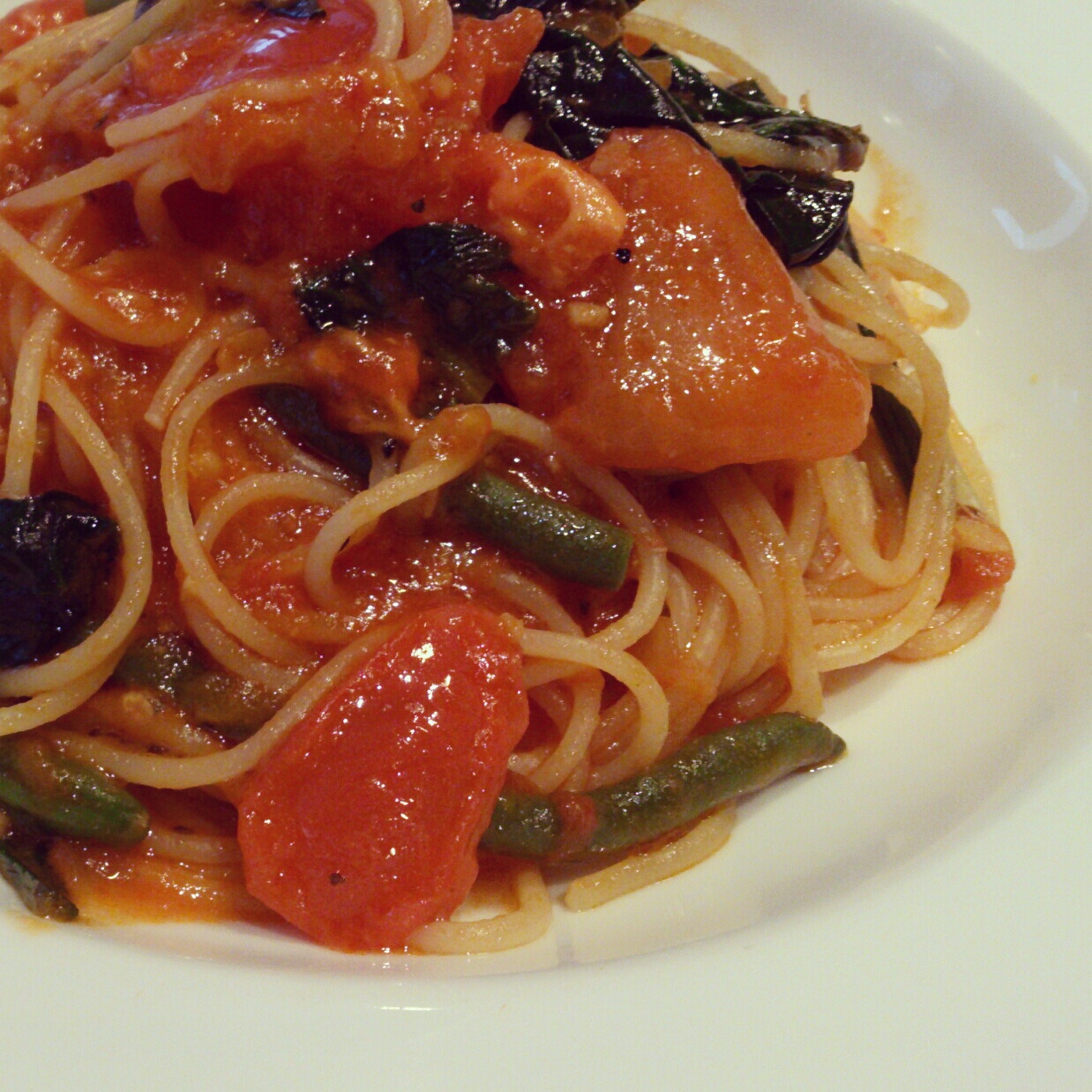
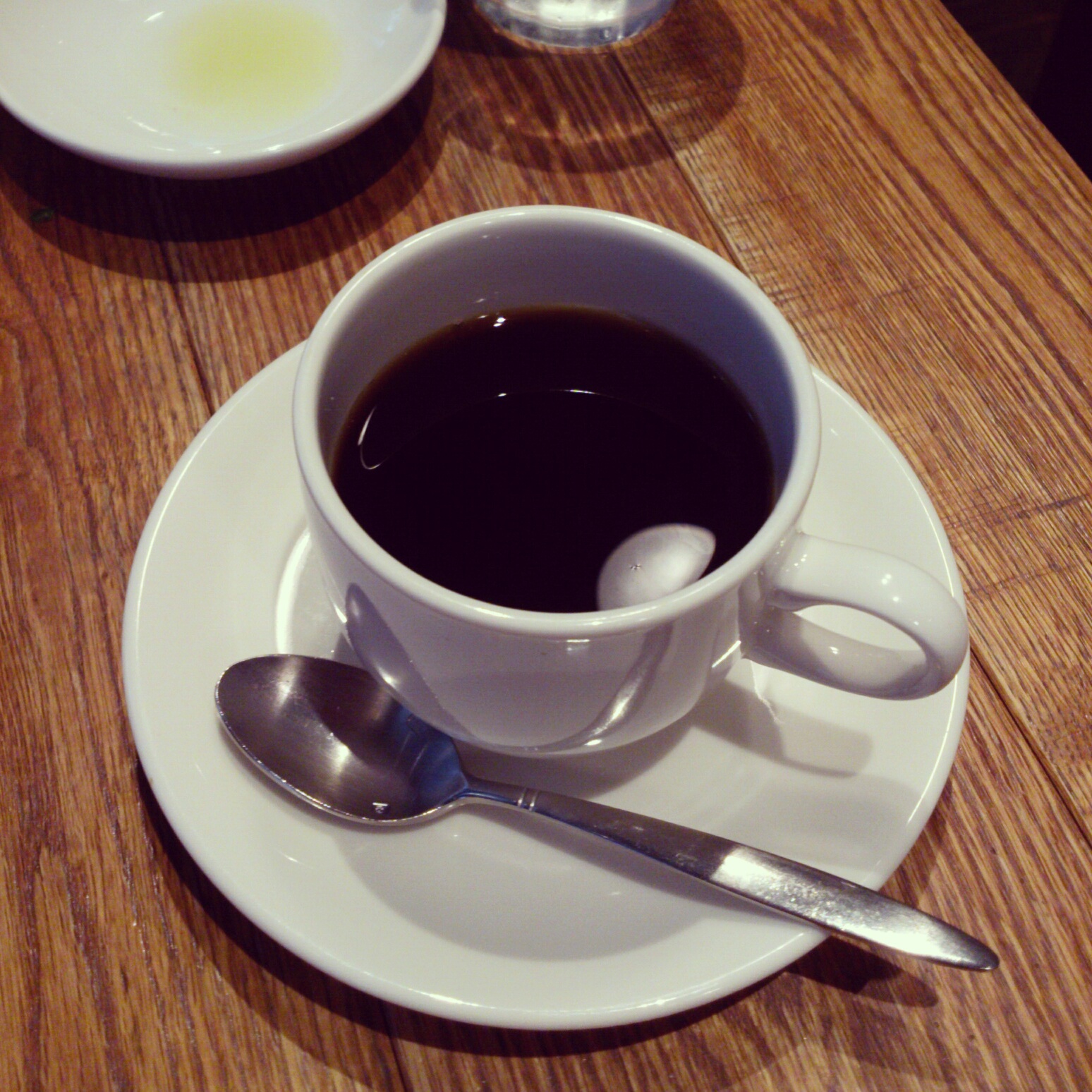
And my chocolate scented tea
(obviously not the official name!)
was quite delightful.
(what is it about tea that makes me want to use british-ish expressions?)

If you’re ever in Omotesando
you should definitely stop by this lovely cafe.
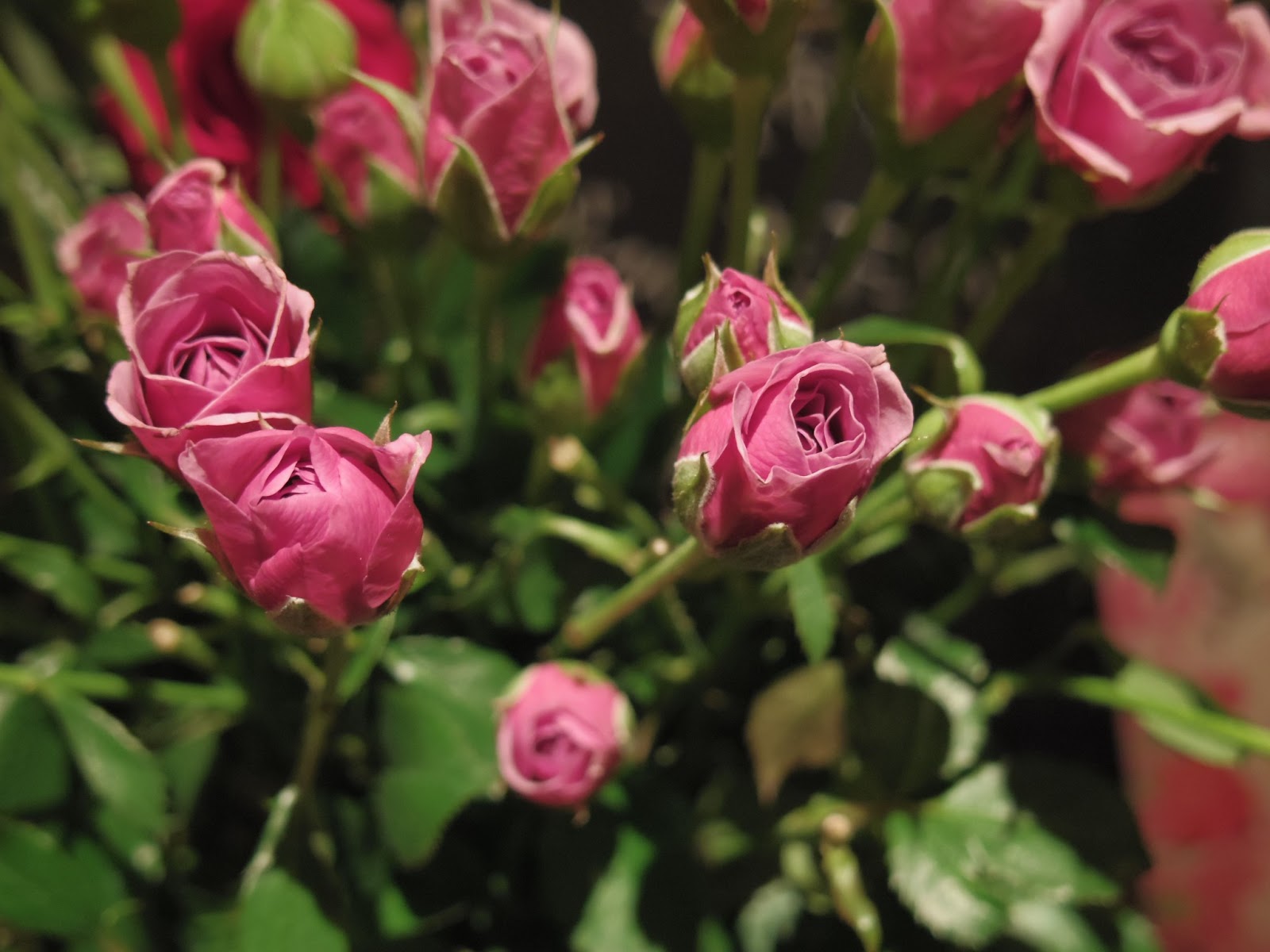
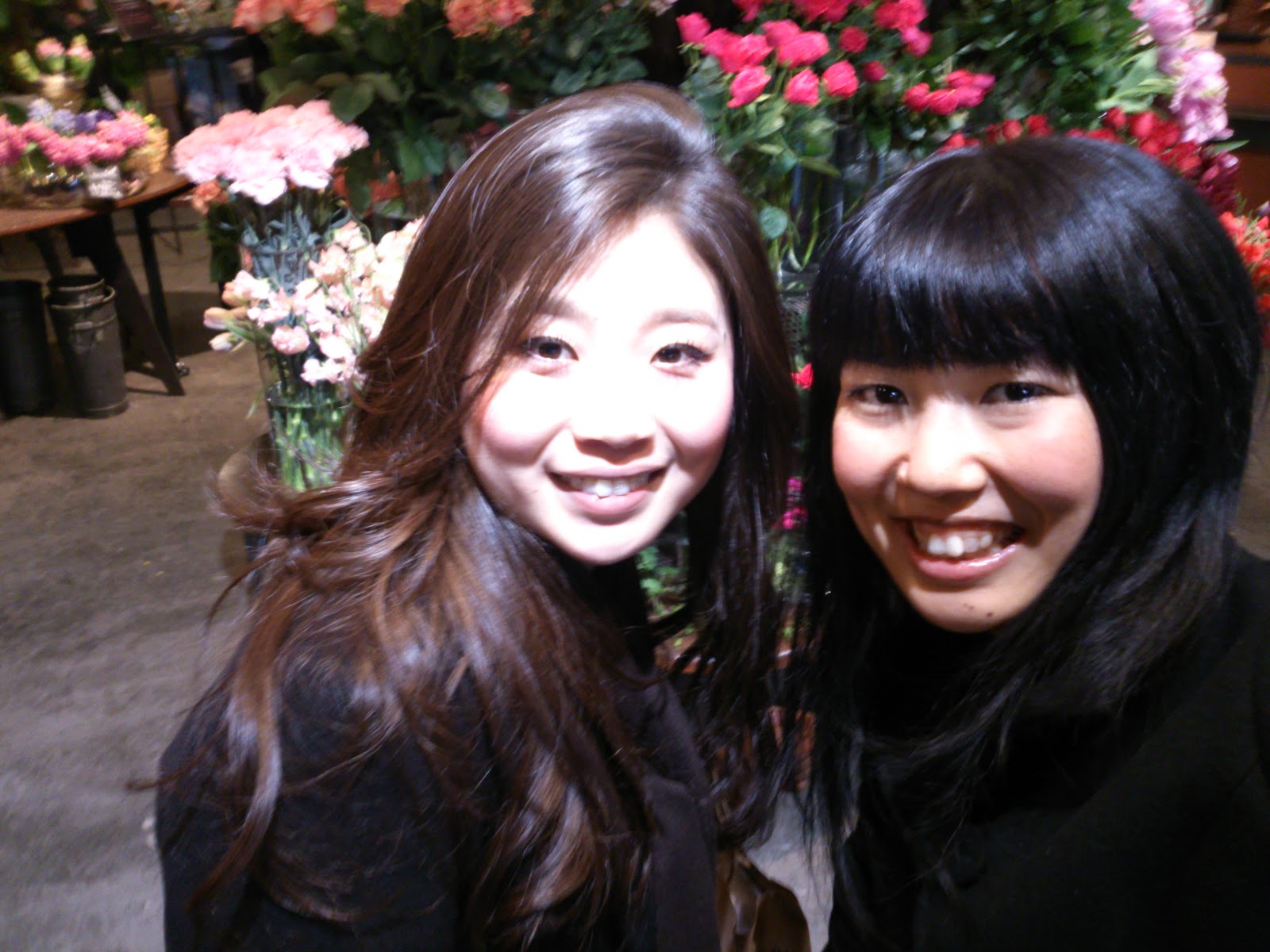
Plus you can grab a bouquet of pretty flowers
at the flower shop just outside on your way out, too!
5-1-2 Minami Aoyama
Minato-ku, Tokyo
03-3400-0887
Monday-Saturday: 11am-9pm
Sunday, Holidays: 11am-7pm
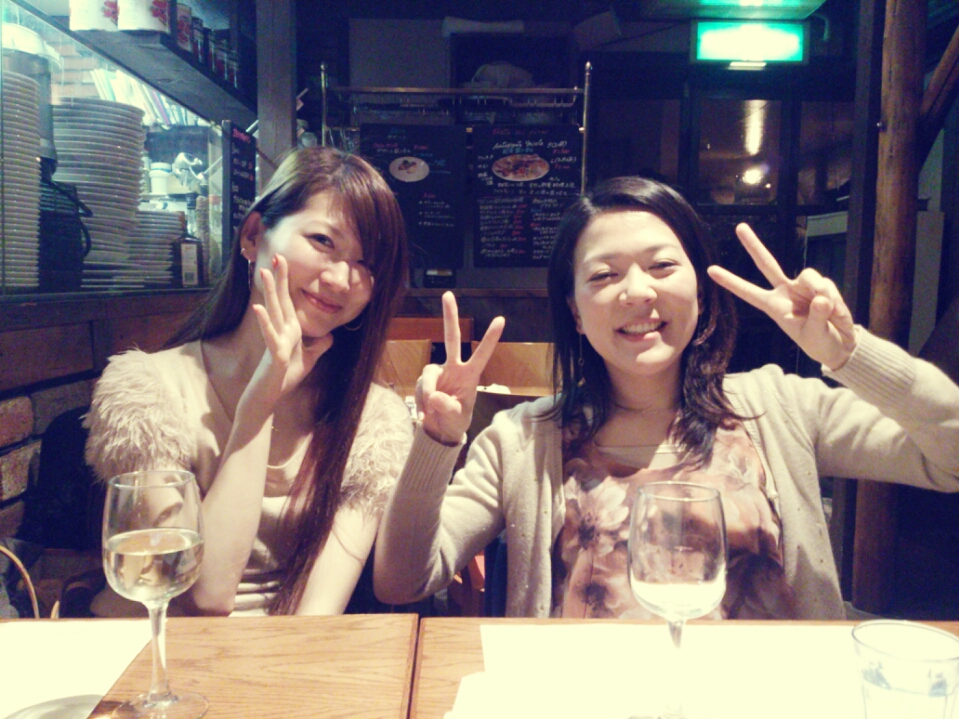
The Girls Night in Shibuya

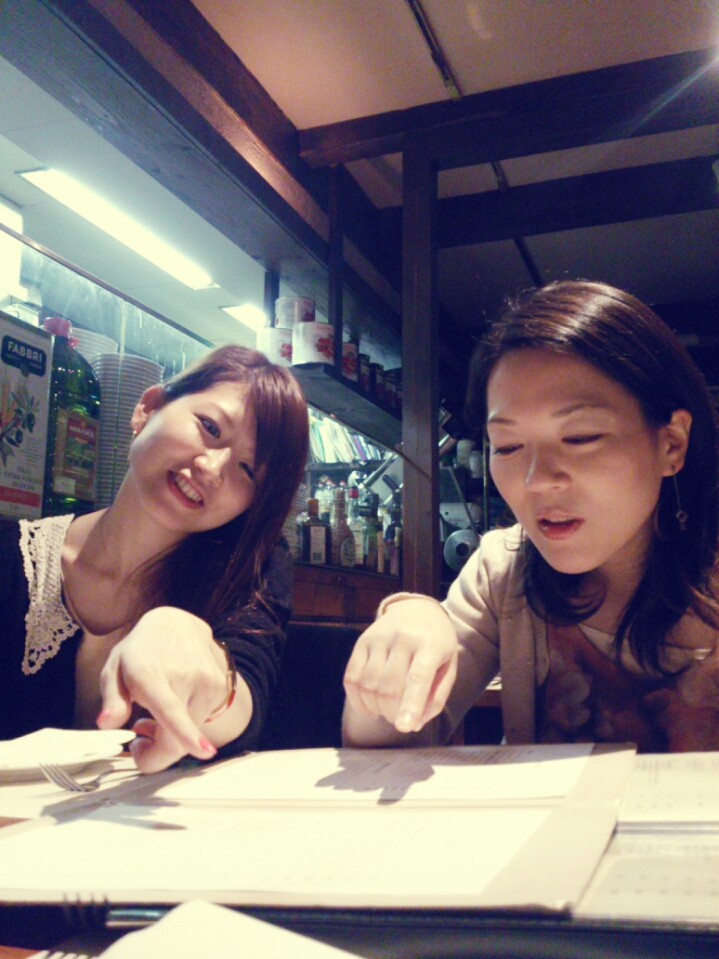
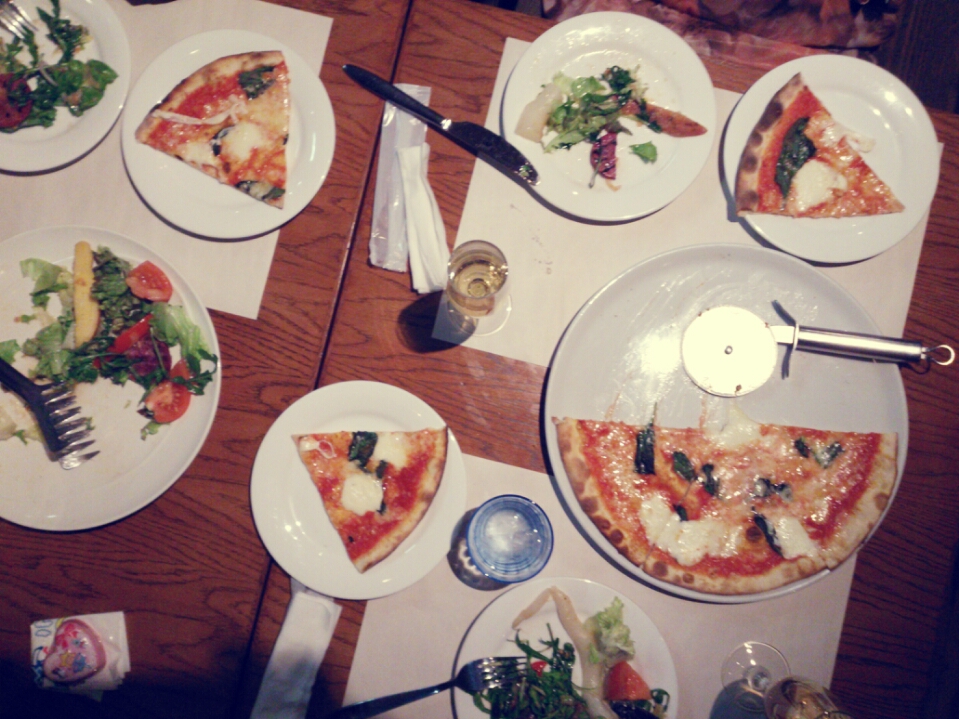
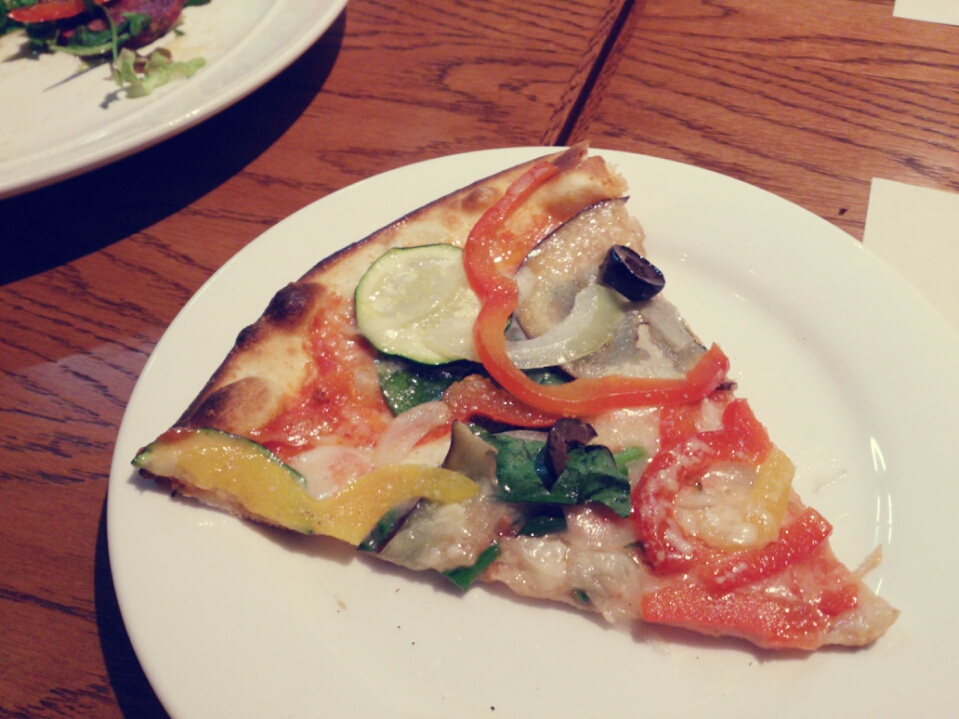
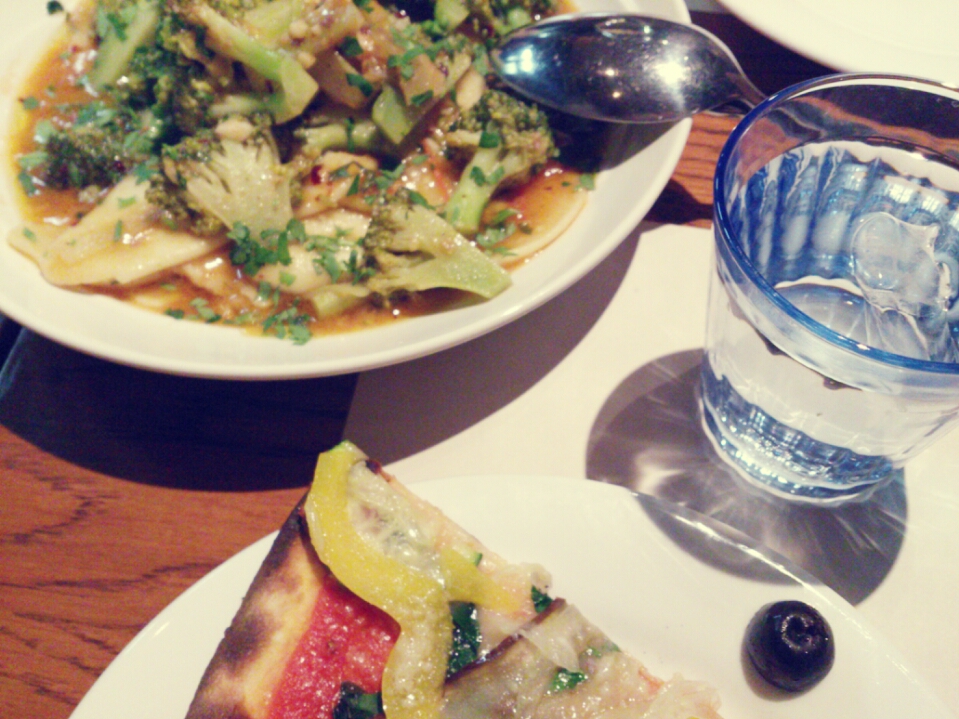
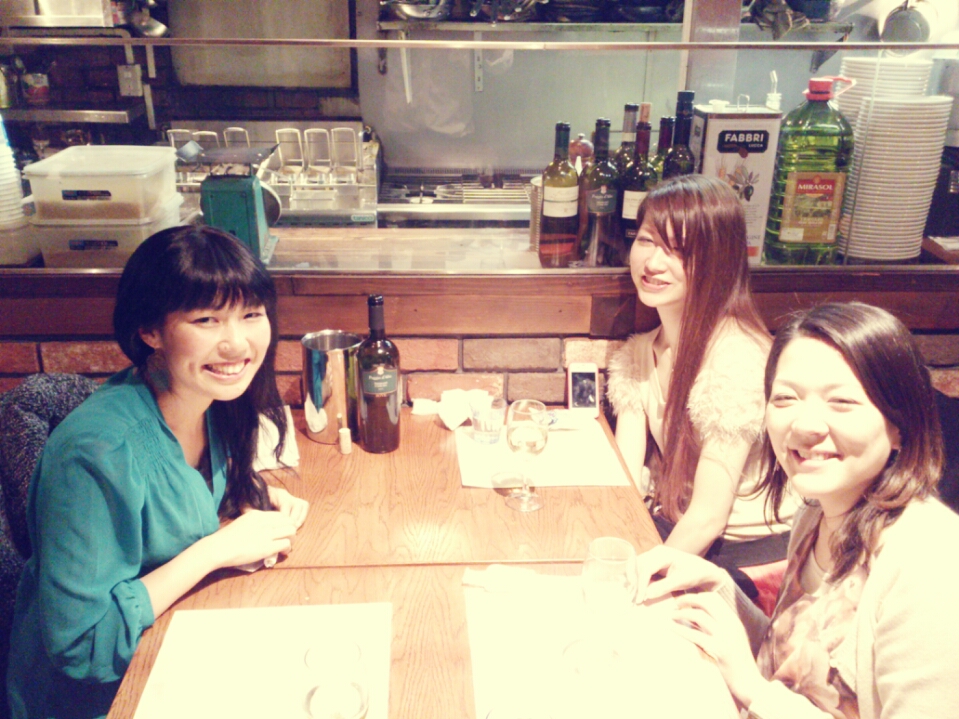
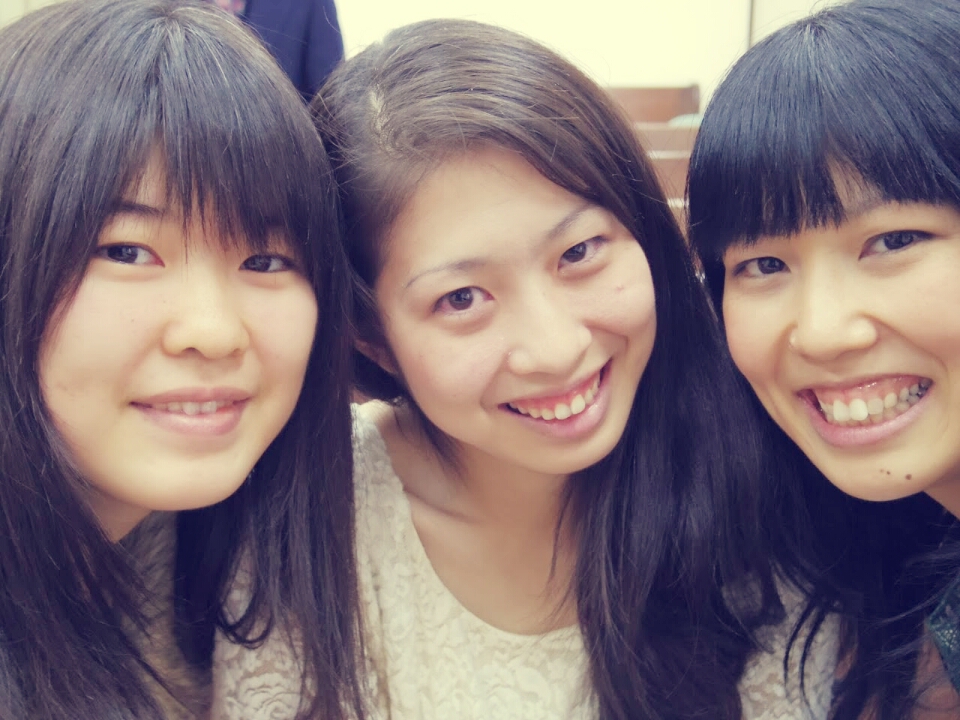
This is what happens when 3 girls are hungry.
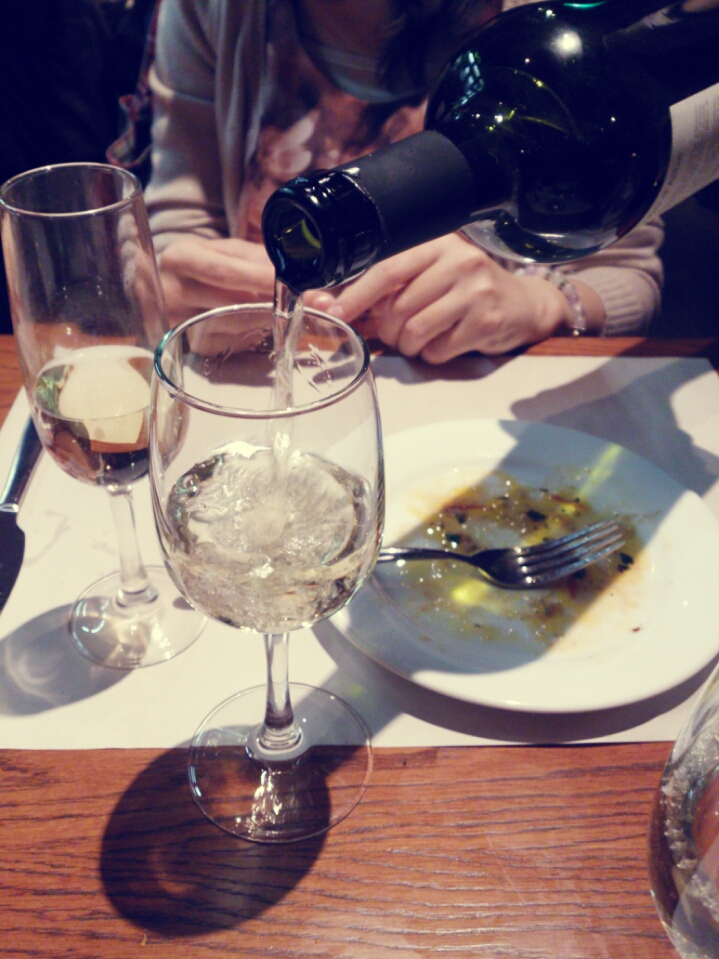
We at and drank like we were in Italy.
So much food. So much wine.
Even the server looked kind of worried.
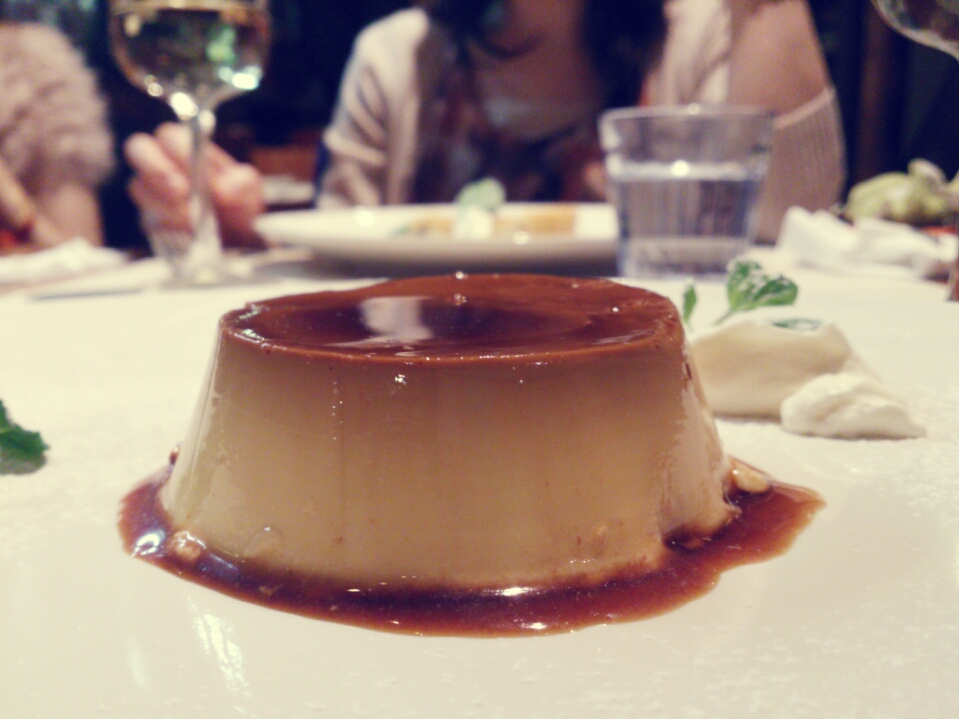
But we ate everything
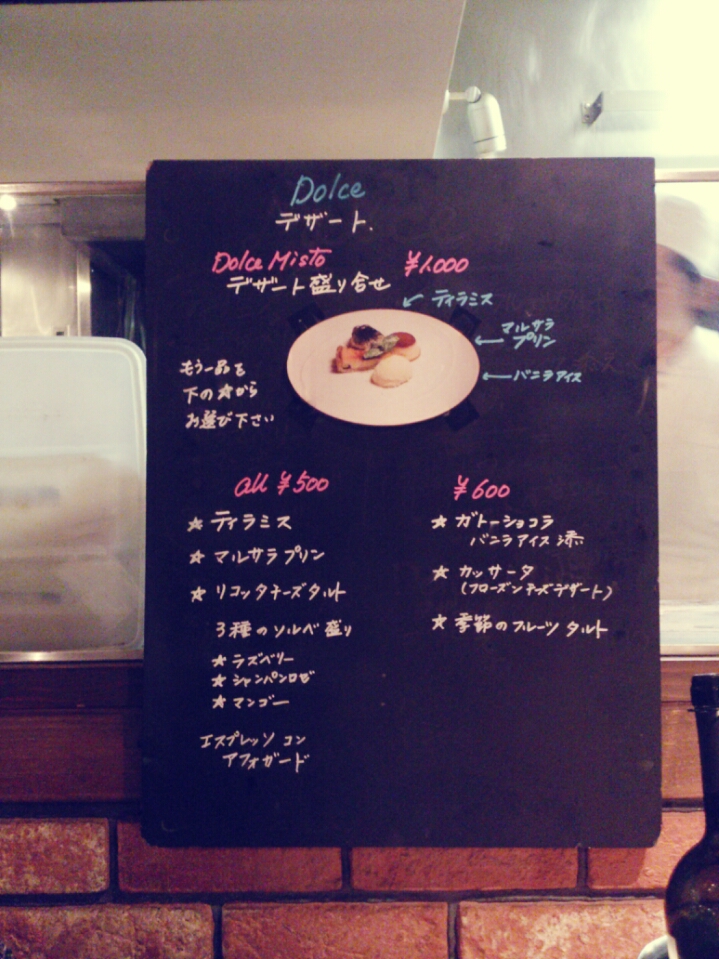
and even had room for dessert πŸ™‚
This is what happens when 3 girls have a billion things to talk about.
We don’t get to hang out often
but when we do it’s always lots of fun.
Dinner with the girls was the best way to start a three-day weekend! x

The Paprika Farmer

Paprika (パプγƒͺγ‚«)
That’s what we call bell peppers in Japan.
Apparently it is the Hungarian word for pepper.
I love paprika.
But they are so expensive!
Almost 200 yen for just one in some stores!
The reason behind this is that
most paprikas are imported from abroad.
It’s said that over 90% of our paprikas
are from the Netherlands and South Korea.
And actually paprikas weren’t even introduced to Japan until
the ban of fresh produce from the Netherlands was lifted in 1993!
So why am I so interested in paprikas so suddenly?
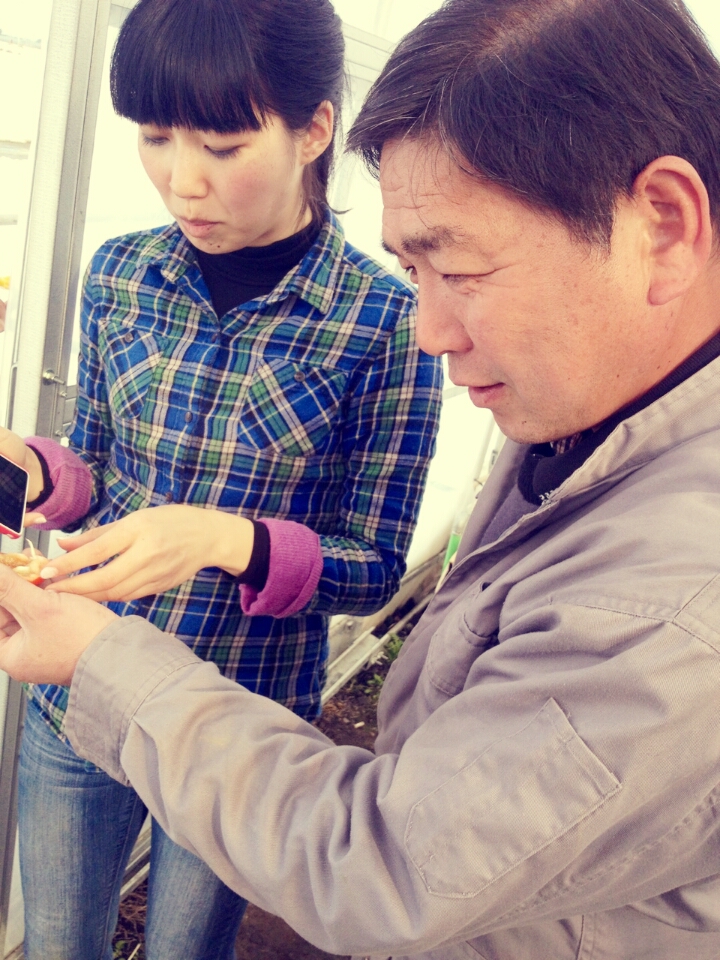
Because of this nice man in the picture.
Doesn’t he have a great smile?
We met him at the local shop we went to for lunch
during our weekend in Miyagi.
He was sitting in the table next to us and
asked us where we were from and what we were doing.
(they’re all really friendly like that in Miyagi)
We told him we were helping out one of the paprika farmers.
He told us he was a paprika farmer, too.
He had tons stories about his experience with paprikas and
explained to us how he was slowly rebuilding after
everything was swept away after the tsunami.
And when we expressed our love for paprikas
he invited us over to his paprika farm!
His paprikas growing inside the large greenhouses
had mostly all been harvested for the season.
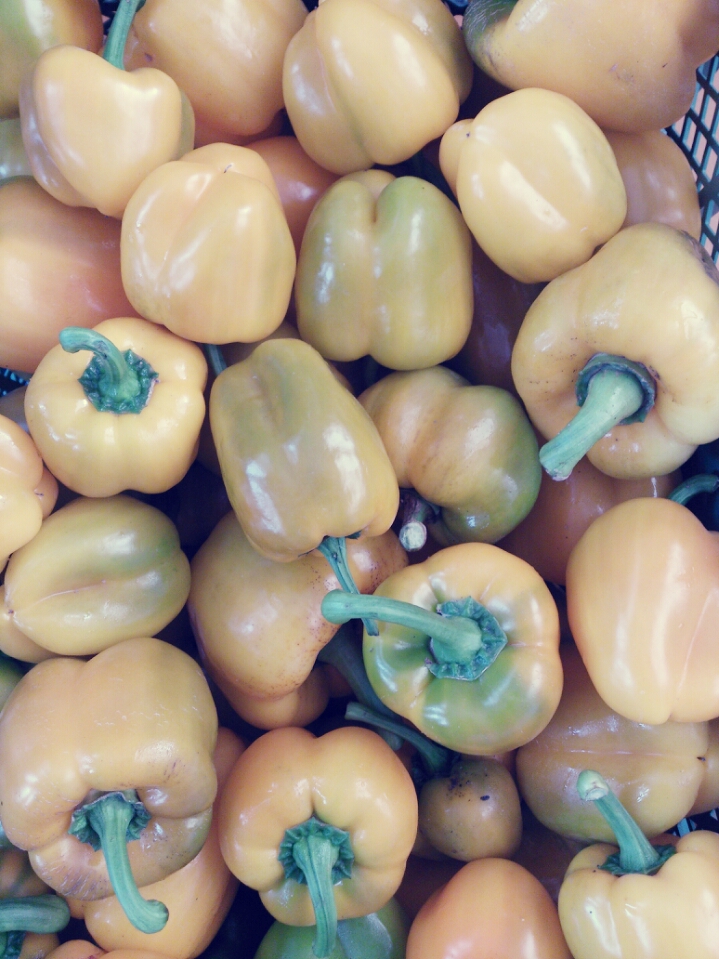
But he gave us a bag full of yellow and green paprikas
saying that they were the leftovers that could not be sold.
Which is crazy.
They were beautiful.
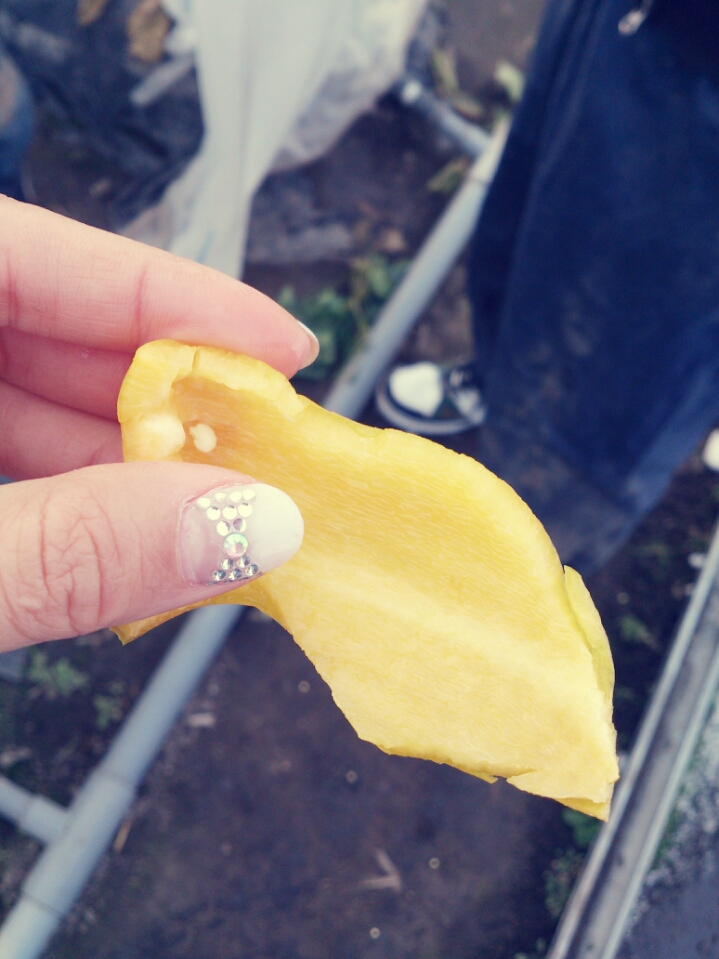
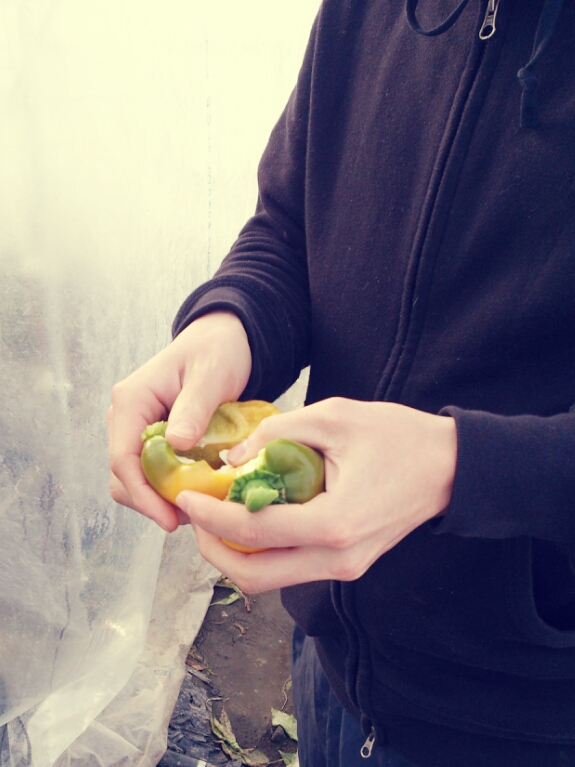
He also let us eat some fresh paprika right there.
Not only was it juicy
but it was sweet like a fruit!
So delicious.
I felt super lucky to be able to take so many home with me.
He even gave me the string of dried persimmon!
What a sweet man.
I’m constantly touched by
how generous some people can be.
And I love the friendships that come from it.
Of course, we promised to
help out during the next paprika harvest.
I can’t wait to learn how they harvest paparikas!

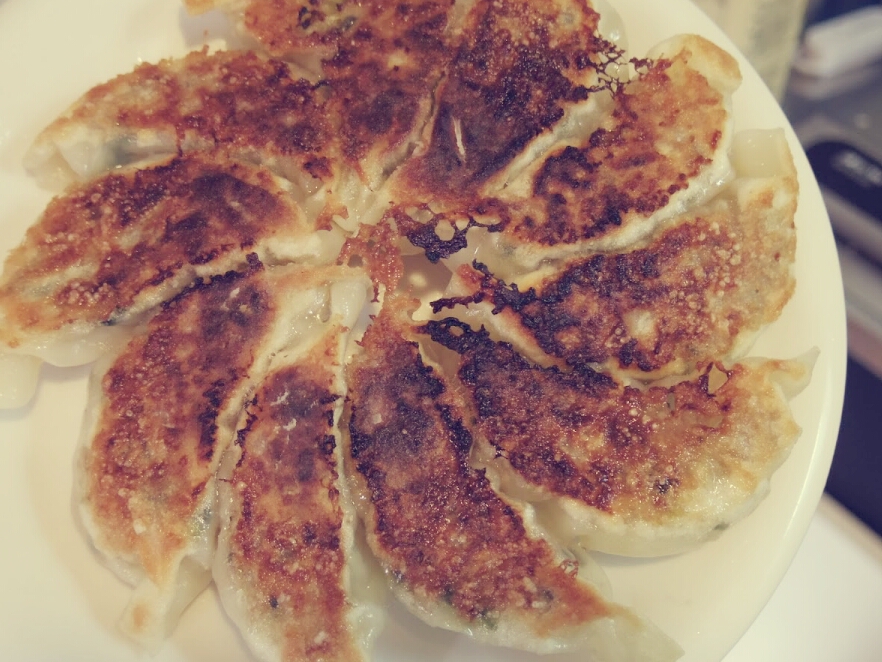
The Night of Gyoza

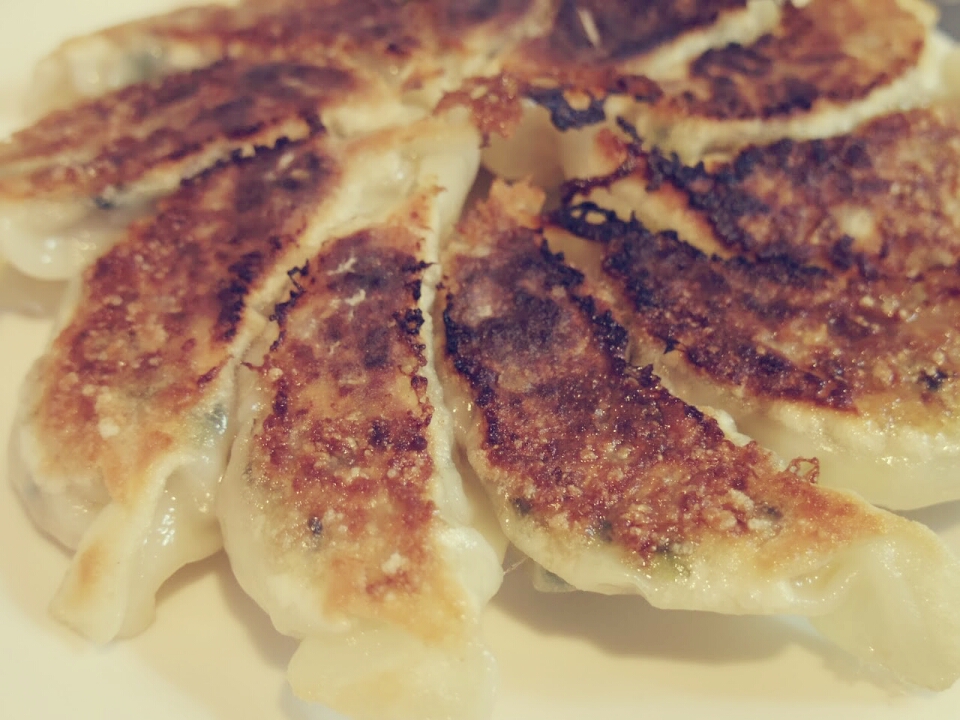
Gyoza is so yummy!
And I decided to make some the other night
because they are so easy to make.
Gyoza Recipe
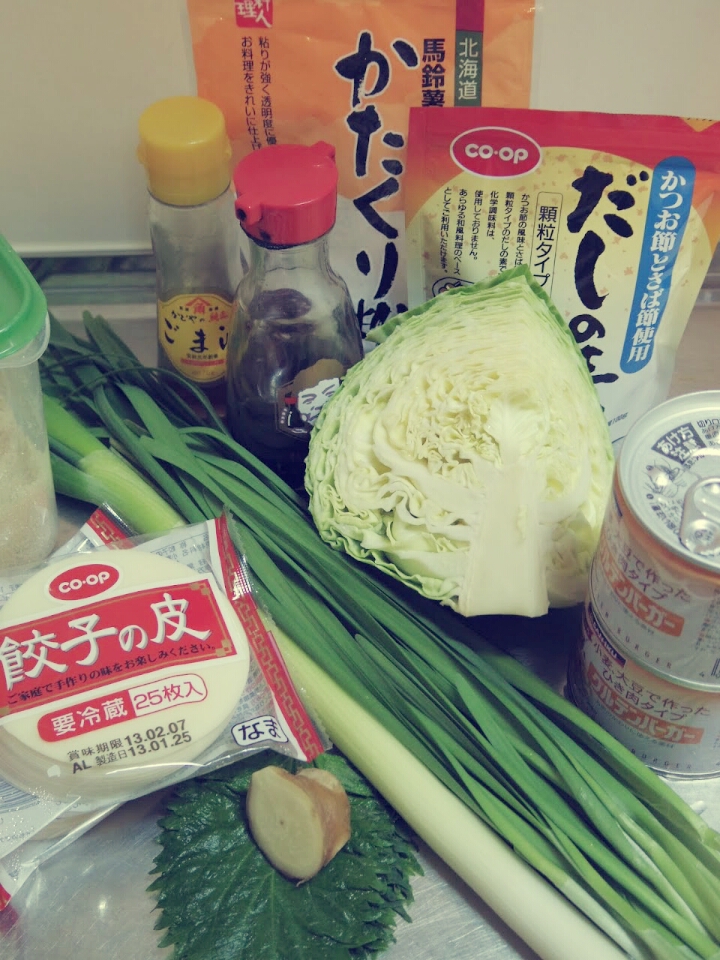
Ingredients:
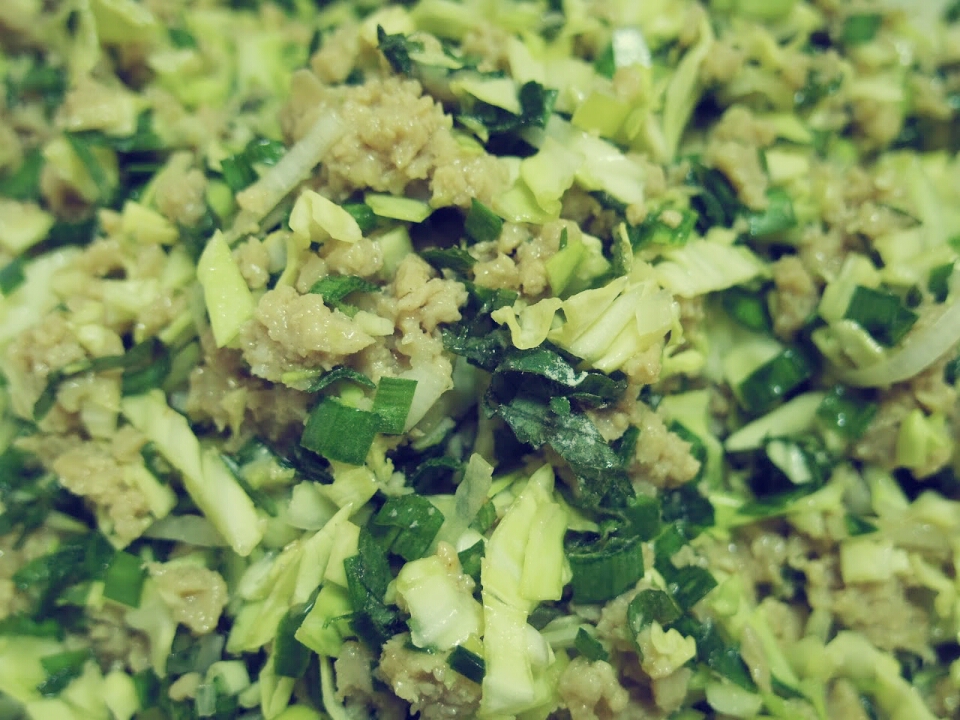
2 cups ground meat
2 cups chopped cabbage
1 cup chopped chives
1/4 cup chopped Japanese leek*
1/4 chopped greenΒ shiso*
1 tbs chopped ginger
1 tbs sesame oil
2 tbs katakuriko (potato starch)
(can be subsituted with corn starch)
(can be substituted with chicken broth)
1 tsp sugar
1 tsp soy sauce
50 gyoza wraps
Directions:
1.
Add everything in a big bowl.
Mix very well.
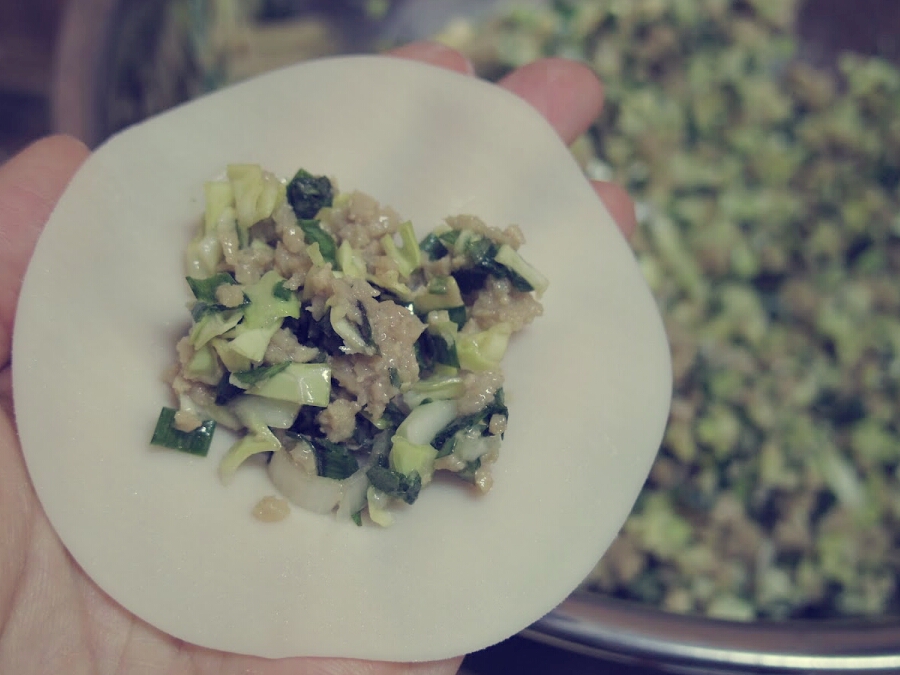
2.
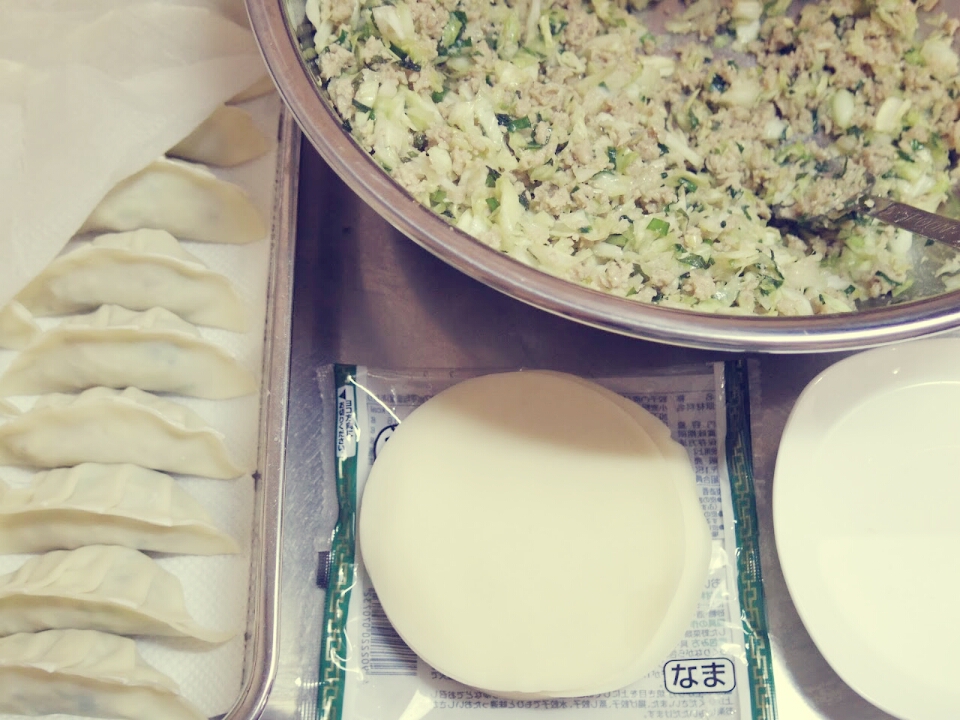
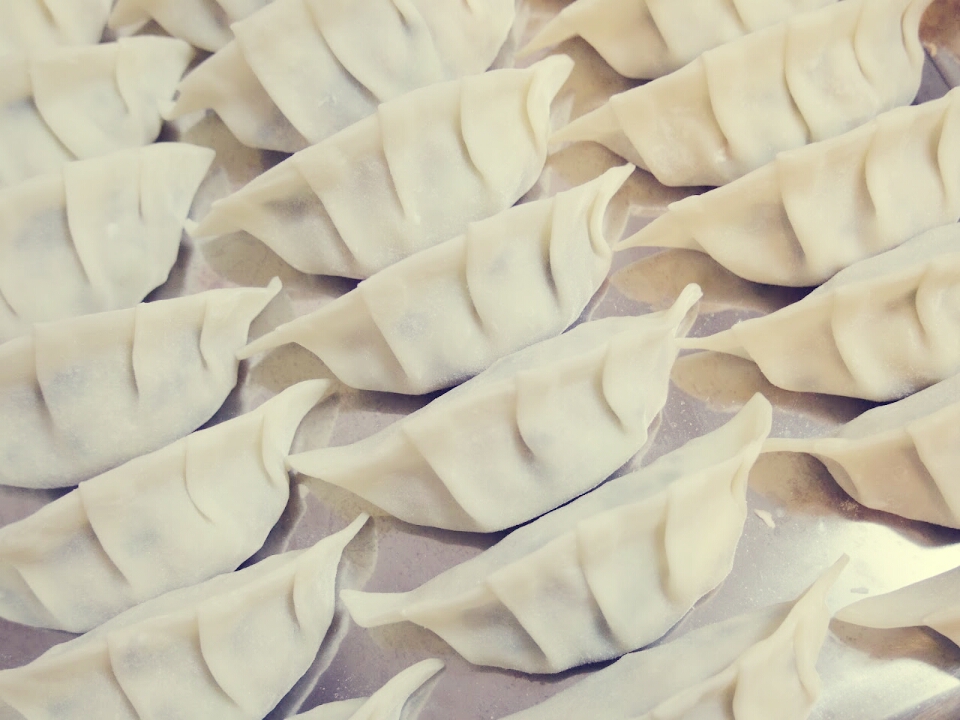
Place a spoonful of filling on the gyoza wrap.
Swipe water around the outer edges with your finger
so it will stick when you fold the gyoza.
(you can learn to do the fold here.)
3.
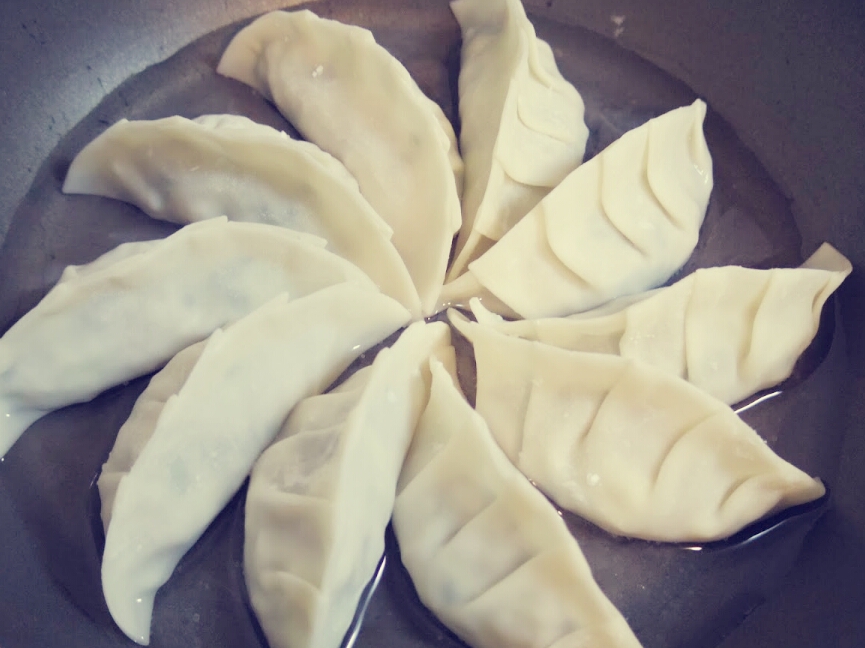
Turn the heat on medium.
Pour some oil (1-2 tbs) on the frying pan
and place the gyoza in a circle inside.
Fry for a few minutes until the bottom is light brown.
4.
Pour some water into the frying pan
(to about 1/4 of the gyoza)
place the lid on top and turn up the heat to high.
5.
Take the lid off after 3-5 minutes
(once the water has mostly vaporized)
add a little more oil to the frying pan
and move it in a circular motion
(so the oil spreads evenly)
until all the water has vaporized.
6.
Turn the heat off and
immediately place a plate over the frying pan
and flip them both over so the gyoza is now on the plate.
7.
Eat with any kind of sauce you like.
And of course rice.
Enjoy!
*The Japanese leek and shiso are optional.
If you want, you can also add chopped garlic.

*I used vegetarian soy meat
(which is why they are in a can)
but you can use whatever minced meat you like.
Not even sure but I think a lot of people use pork.
*I like to eat gyoza with Ponzu.
Just add lemon/lime to soy sauce
and that’s pretty much the same thing.

The Ningen Dock (aka Physical Exam)

Turning thirty is a huge turning point for women.
(or maybe just me…whatever.)
And one of the things I’d been dreading
finally came the other day.
(dum-da-dum-dummm.)
Ningen Dock is a full physical exam,
much more thorough than regular checkups.
(you can see my exam menu here.)
And in my company, after you turn thirty
you take this exam every year.
Most parts of the exam are fine
but I’ve been dreading theΒ endoscopeΒ exam.
It came at the very end of the whole exam.
I’d been reading A Time To Kill
to kill the time waiting between exams.
So my head was full of the courthouse drama
while I drank a little something (to clean stomach),
got a muscle shot on my arm (to slow stomach movement),
and sprayed anesthesia down my throat (to numb).
Then I gagged my way through the whole exam.
They say it’s only about five minutes
but it was the longest five minutes of my life.
But guess what?
My doctor said my stomach and intestine
were both very beautiful.
She used the word Utsukushii (ηΎŽγ—γ„).
But even more importantly
she said that I didn’t need to take
the endoscope exam again until I’m forty.
YAAAAAAAYYYYYY!!!
Oh and did I mention that my Ningen Dock
includes a lunch at Grand Hyatt Tokyo?
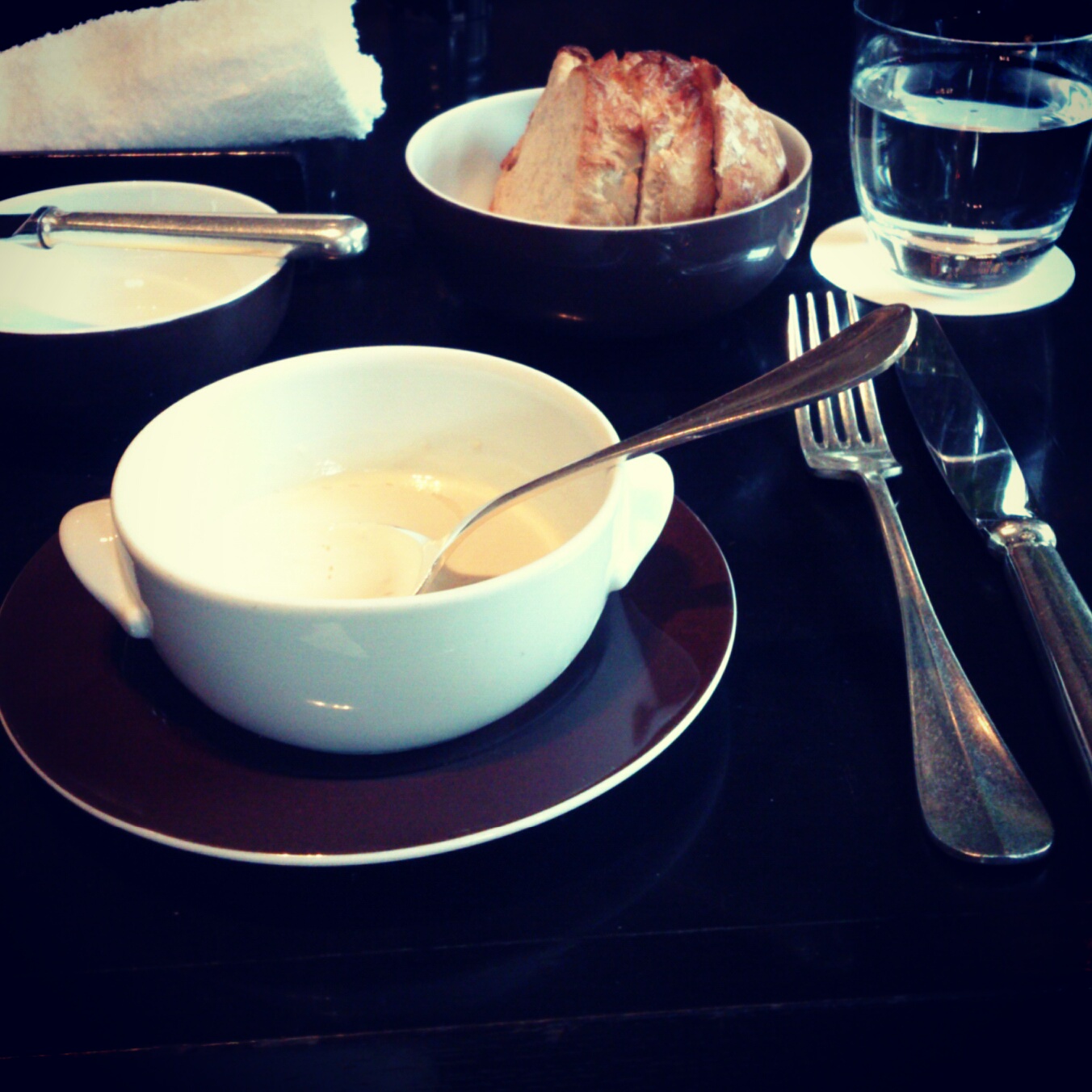
I choseΒ The Oak DoorΒ and it was delicious!
(they even made my meal vegetarian.)
With no endoscope exam to dread
I’m actually looking forward to the next year’s exam!

The Oak Door

Grand Hyatt Tokyo 6F
6-10-3 Roppongi
Minato-ku, Tokyo

03-4333-8784

Mon-Fri:( Lunch) 11:30am-2:30pm, (Dinner) 6pm-10pm

Sat, Sun, Holidays: (Lunch) 11:30am-3pm, (Dinner) 6pm-10pm
Bar: 11:30am-1am

The Snowy Day Lunch

It may have been a crazy day to go out for lunch.
But look at this great view we had of the snow outside!
I love this place because the place is spacious
and they have the yummiest foccacia.
And they can also make the meals vegetarian for you!
Great place to relax and talk for hours with your best of friends.
Which is exactly what Masa and I did on this snowy day!
Hotel Unizo 2F
4-3 Udagawa-cho, Shibuya-ku, Tokyo
Open: 11am-11:30pm

The Nanakusa Gayu

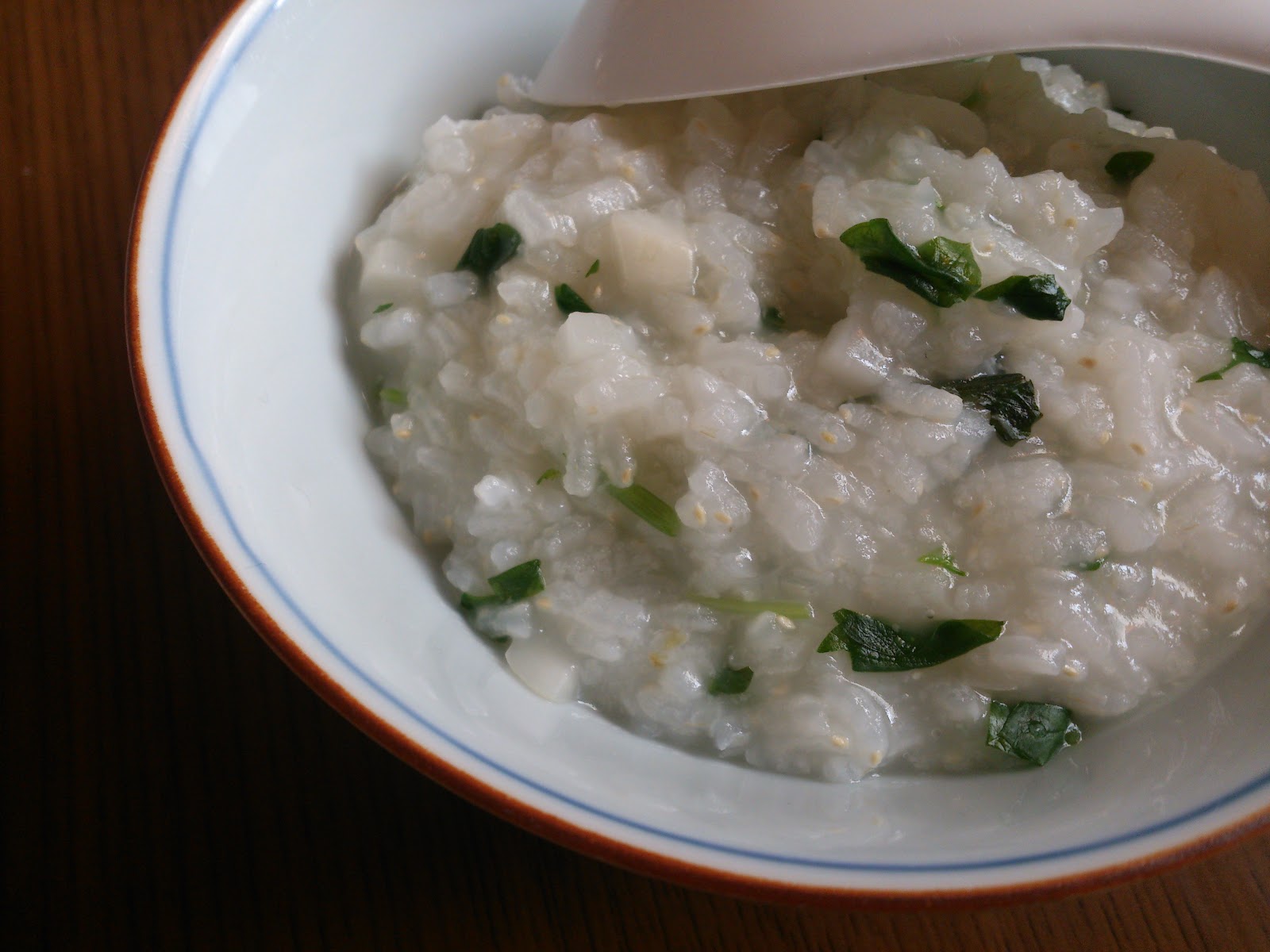
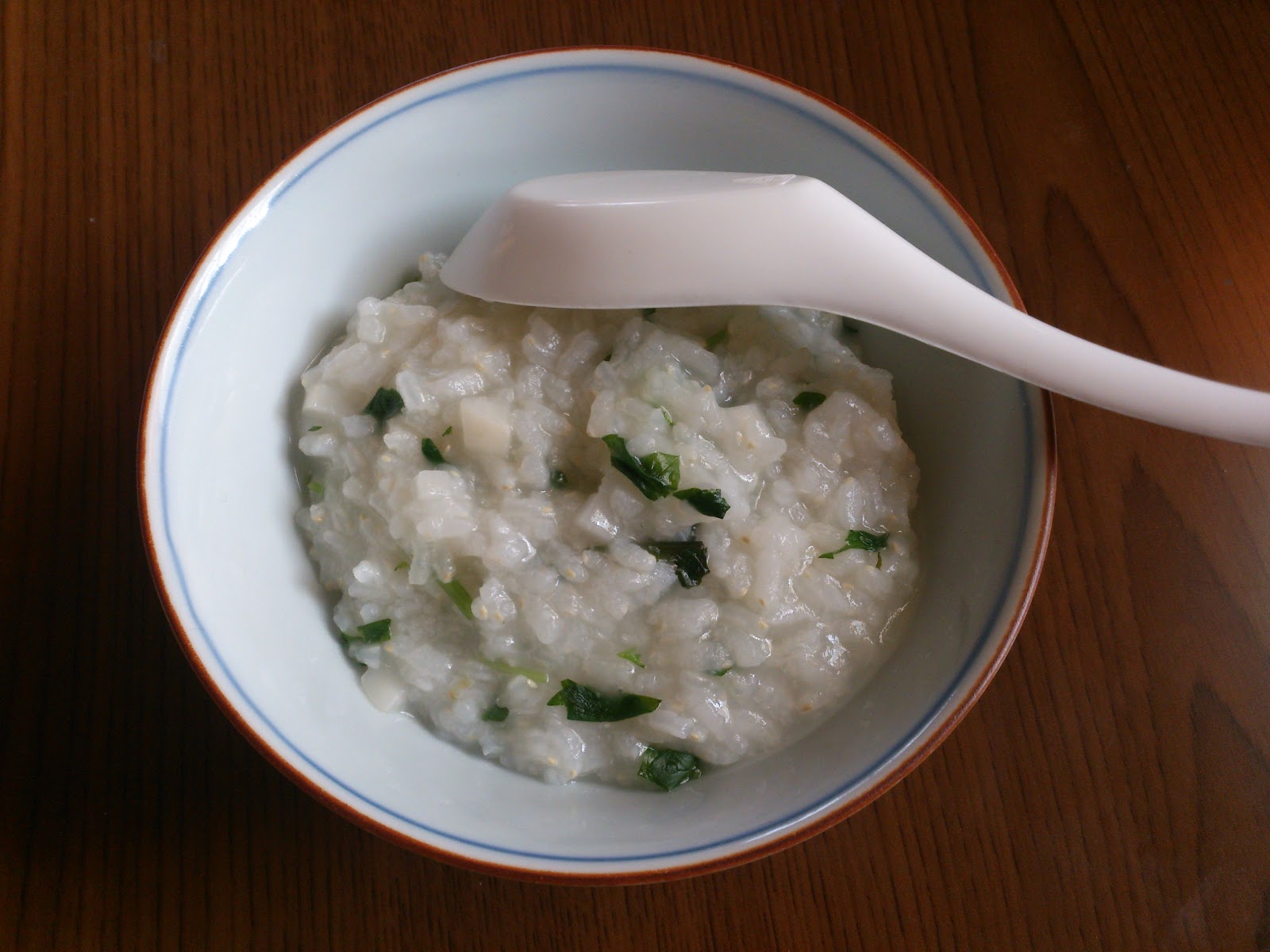
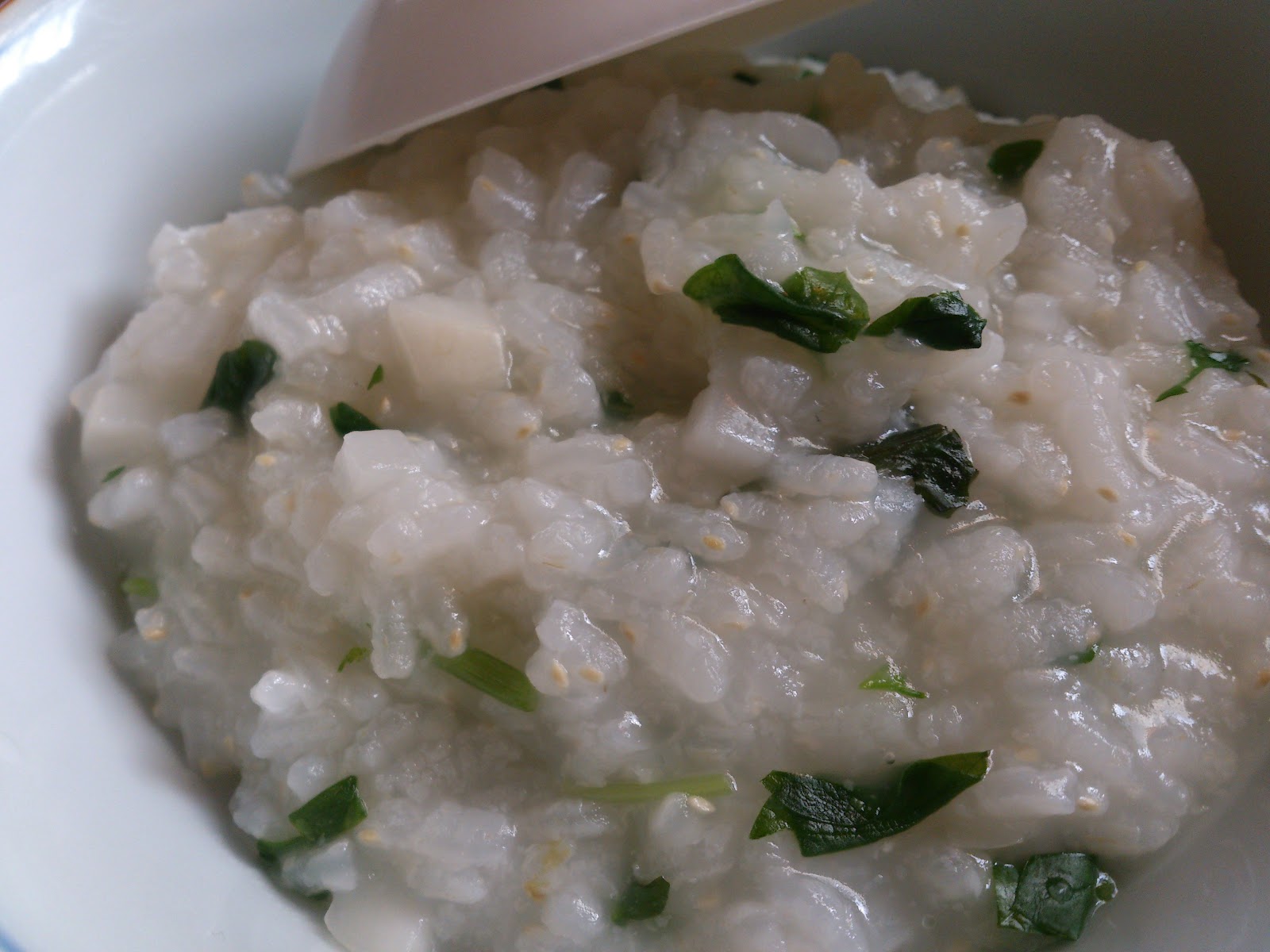
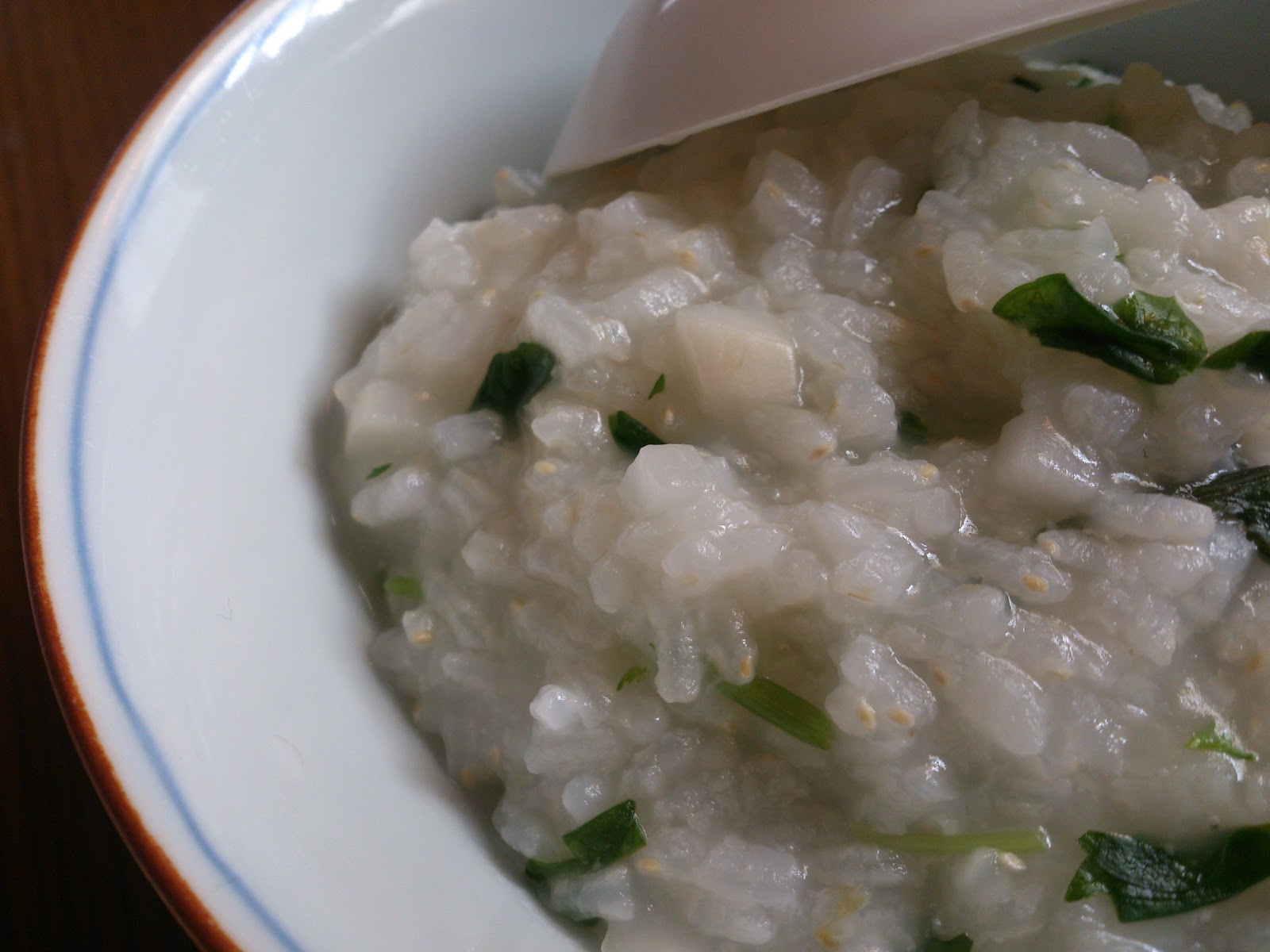
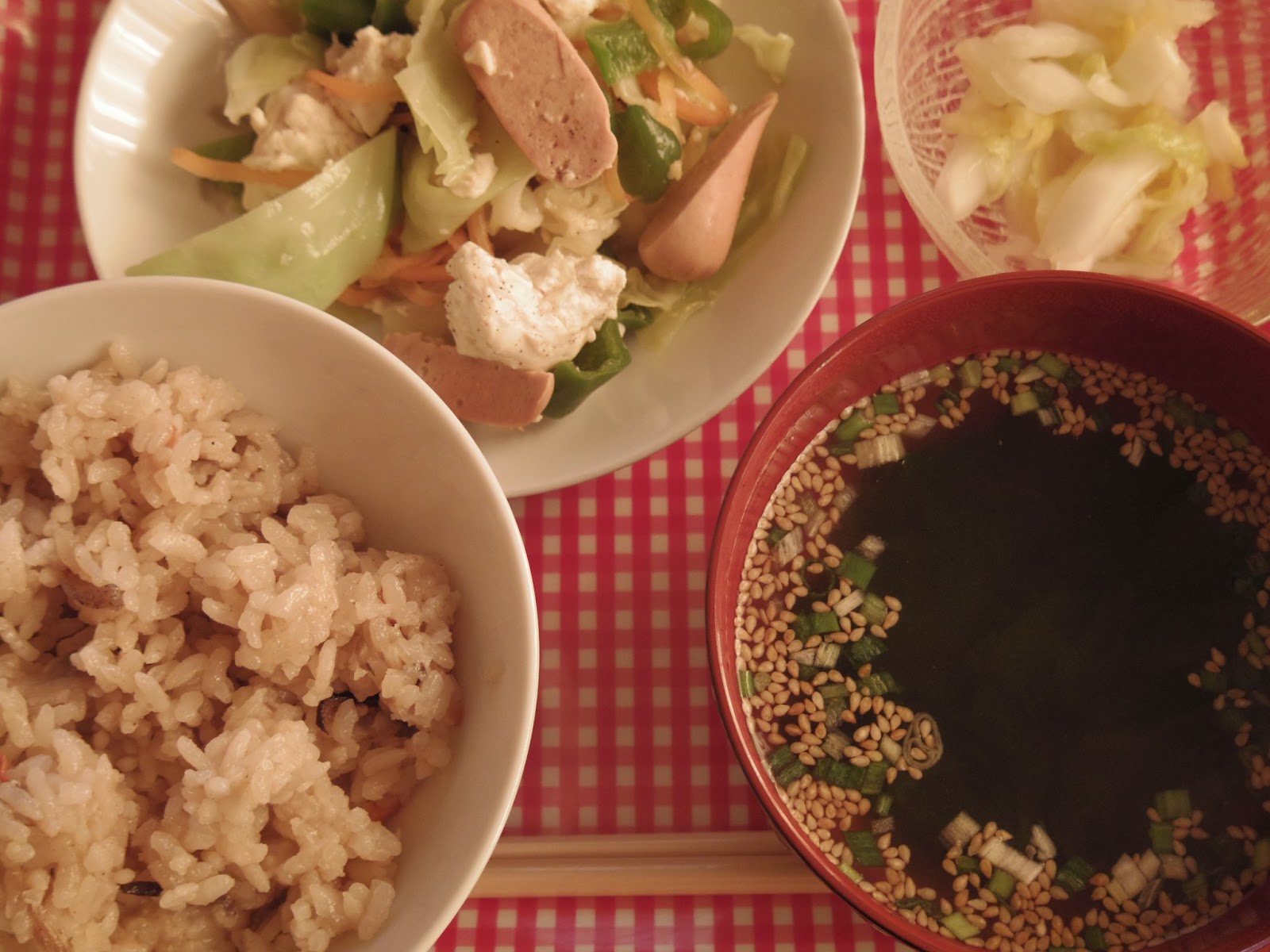
This is Nanagusa-gayu (七草η²₯).
It’s tradition in Japan to eat this on January 7th.
It’s a dish of rice porridge with
seven different types of wild herbs.
Nanagusa means seven herbs in Japanese.
It’s an old tradition that came to Japan from China
sometime during the Heian Period (794-1192).
We eat this in hopes for a healthy new year.
My mom also told me that the reason we have this tradition is because
we pretty much celebrate the new year by eating and drinking.
And we eat this rice porridge becauseΒ it’s easily digested
and our poor overworked stomach can get some rest.
Plus the herbs are good for you.
The seven herbs are:
Β Nazuna: Shepard’s PurseΒ Β 
Hakobera: Common Chickweedγ€€Β 
Hotokenoza: Nipplewort
Suzuna: Turnip
Suzushiro: Radish

The New Years Service

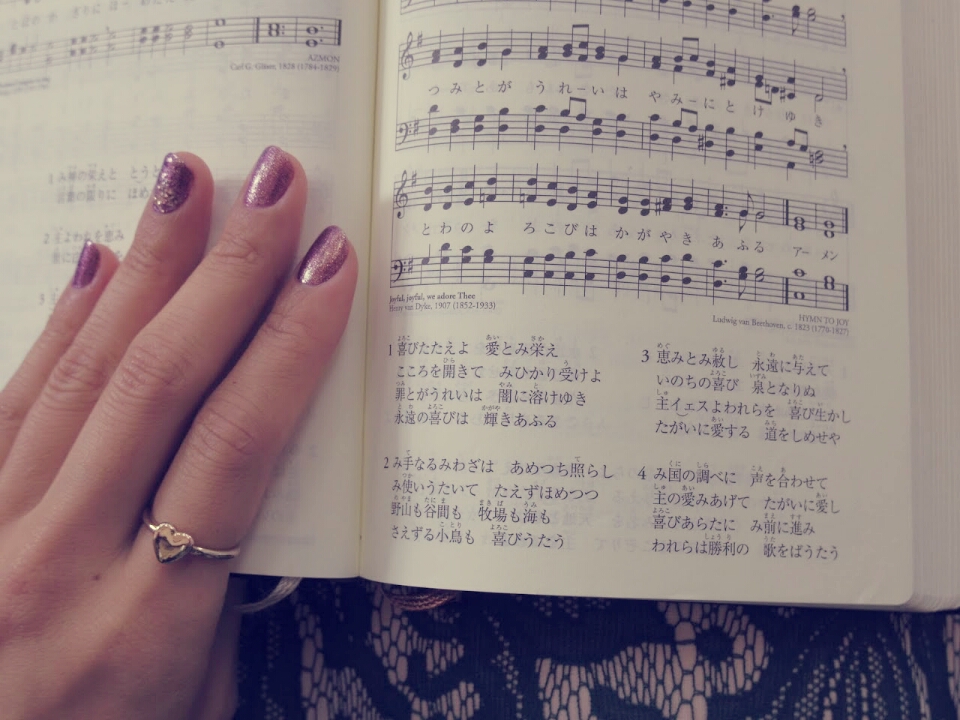
It was really nice starting off the year at church.
The new years service was really inspiring.
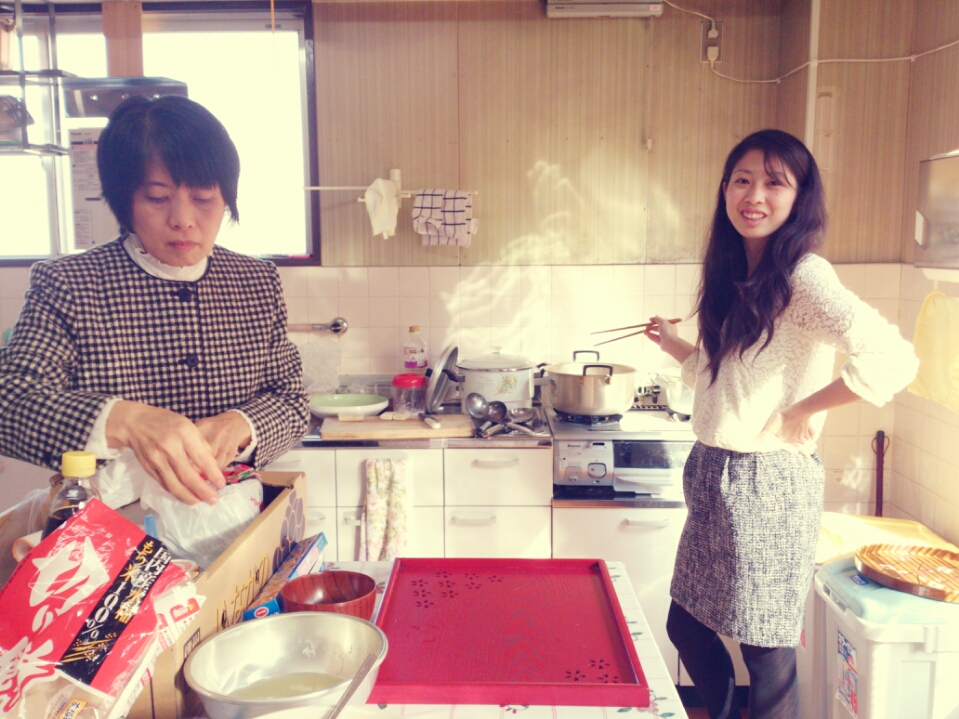
We always have a potluck
afterΒ the new years service at church.
A full on traditional new years dish would be
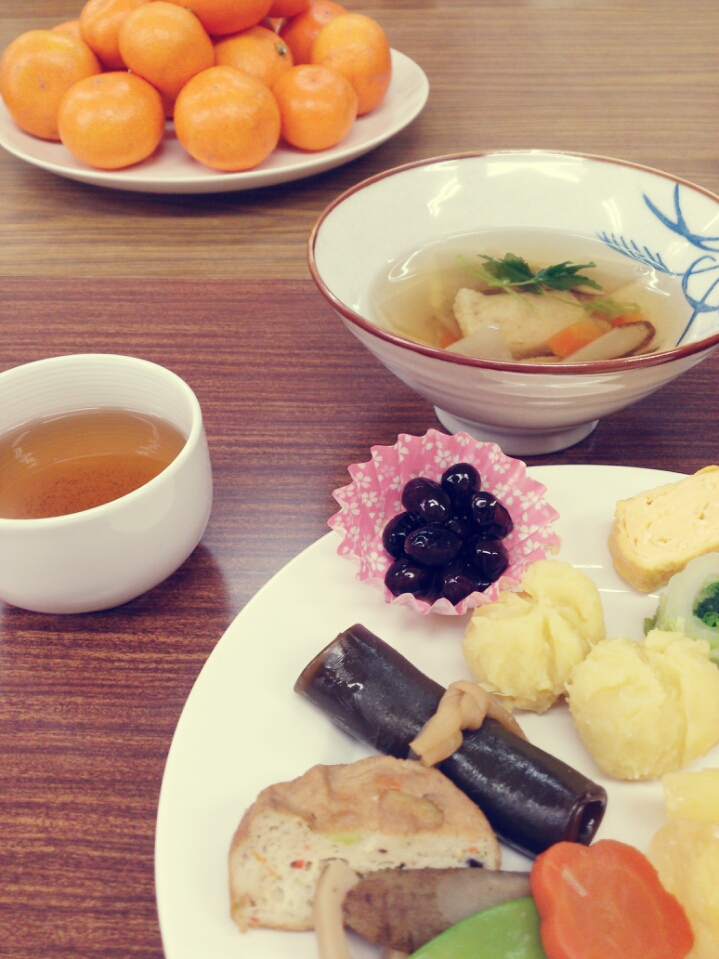
the Osechi-ryori, a bento box filled with various foods
that have some sort of meaning behind it, to bring in the luck.
But we usually do a semi-traditional new years potluck
with dishes like Nimono (boiled vegetables),
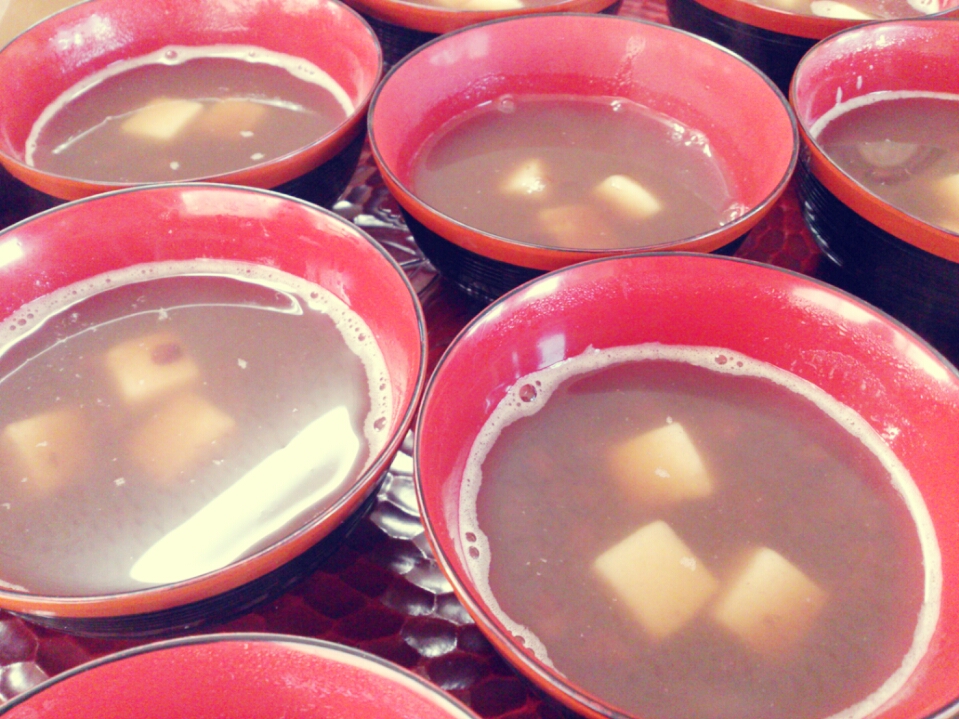
Zenzai (red bean soup with mochi),
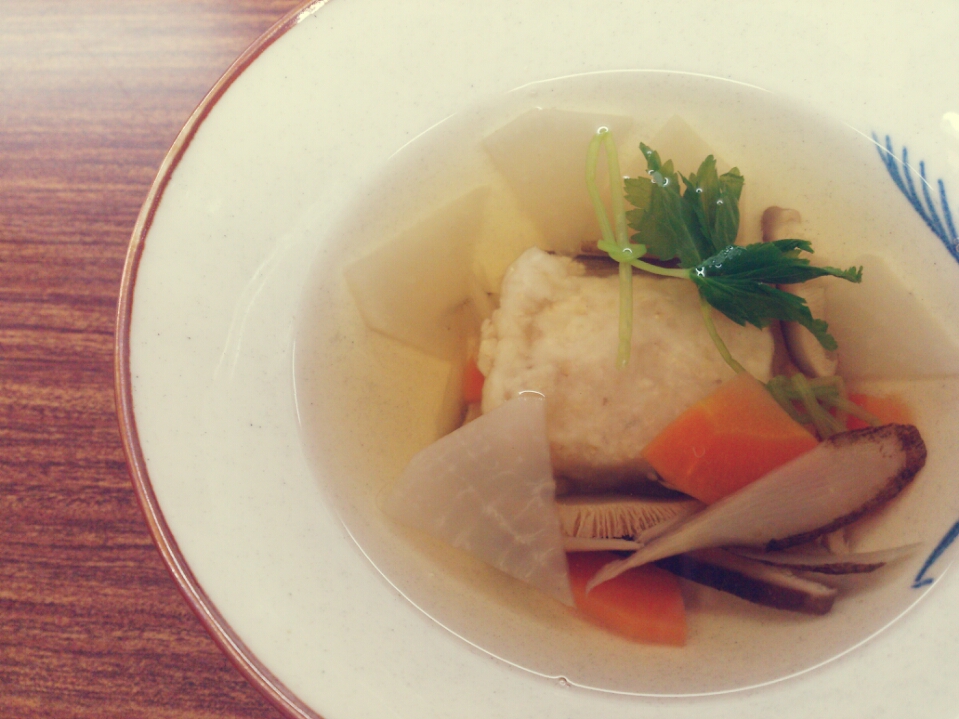
and Ozoni (mochi soup).Β 

But we did include a couple of traditional foods
that are eaten to bring us luck or a better new year.

We had Konbu (rolled seaweed).
It’s similarity to the word Yorokobu, meaningΒ Joy,
is considered to be a very good thing.

Also had Kuromame (black soy beans).
It symbolized health andΒ is meant
toΒ wish everyone a healthy new year.

Considering how much we all ate
I think we are going to have a fabulous new year πŸ˜€

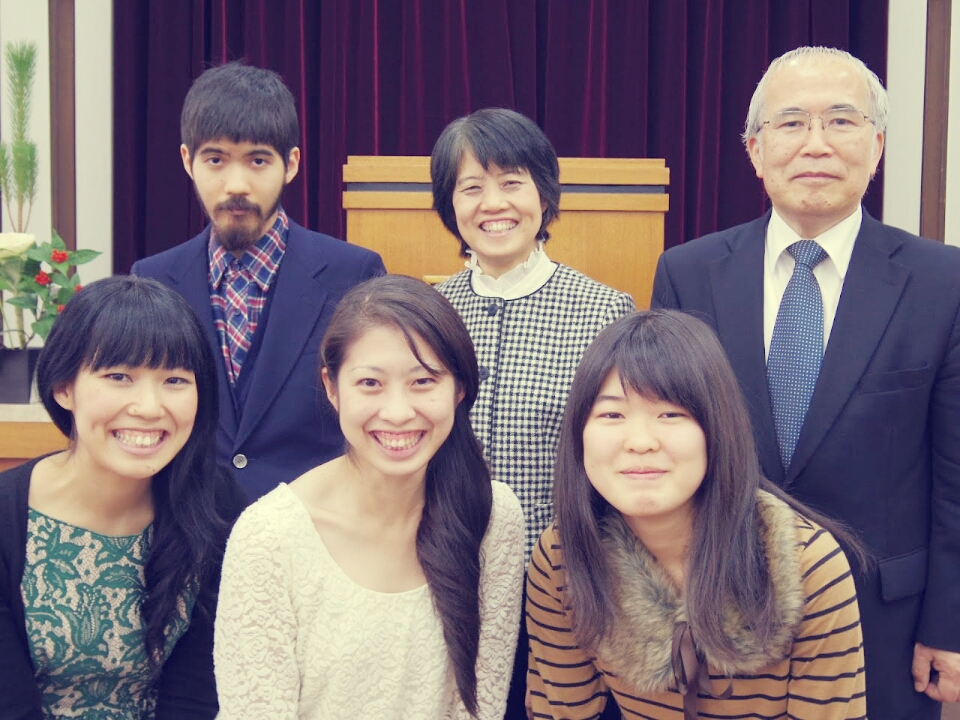
Oh! And we also took family pictures
for our Nengajo (traditional new year postcards)!
It’s been great welcoming a new year with family!